Production is a complex web of interdependent items, processes, and resources. As competition increases and margins shrink, manufacturers need to improve efficiency and productivity while reducing costs.
A production ERP system applies digital technologies across production processes, capturing data at every stage and storing it centrally. Real‑time visibility into processes and resources lets you respond quickly to change, improve shop floor visibility, and increase inventory accuracy.
Reducing costs
Getting costs under control is essential to ensuring a good return on capital investment and running factory equipment at optimal profitability. The two major areas managers can influence are production and inventory.
Reducing costs in production
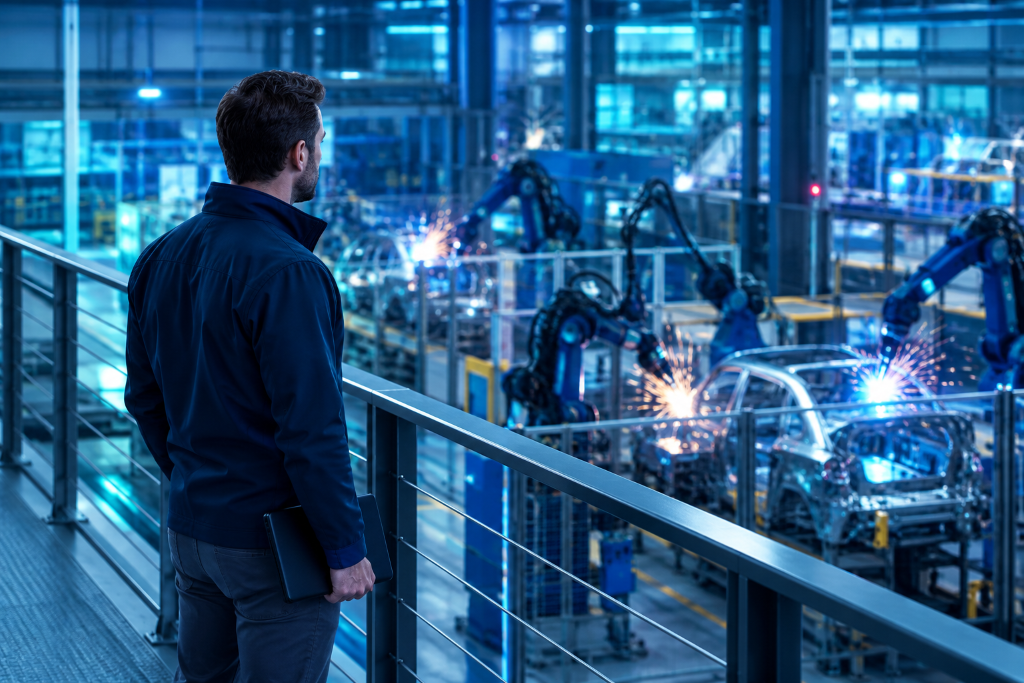
Labor and machinery are the most significant cost items. Managers need clear visibility of the shop floor and its related costs so they can track how labor and machine time are consumed and ensure resources are used efficiently. Many plants currently have limited insight into how these costs behave in day‑to‑day operations.
Reducing costs in inventory
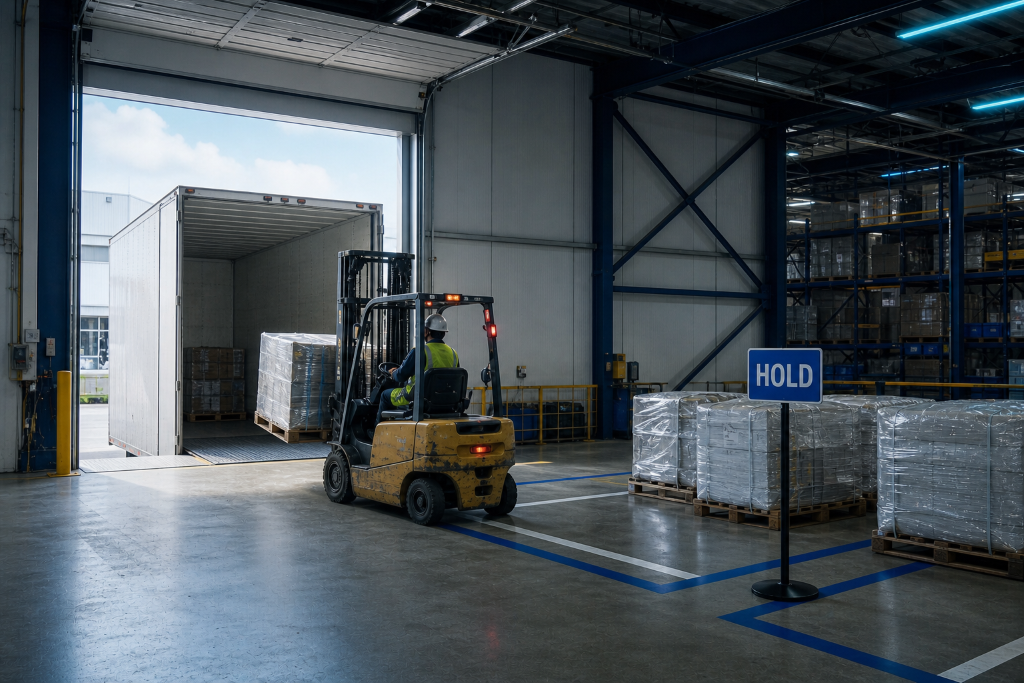
Material cost control depends on understanding procurement activities and how long materials sit in inventory before being used to generate revenue. This requires insight into buying decisions and the value of stock held in the warehouse.
How Production ERP helps in reducing costs
An automated Bill of Materials (BOM) in a production ERP keeps an up‑to‑date record of the items needed to make a product. With accurate product specifications, costs can be monitored and BOMs adjusted to use materials that reduce waste, which is itself a cost.
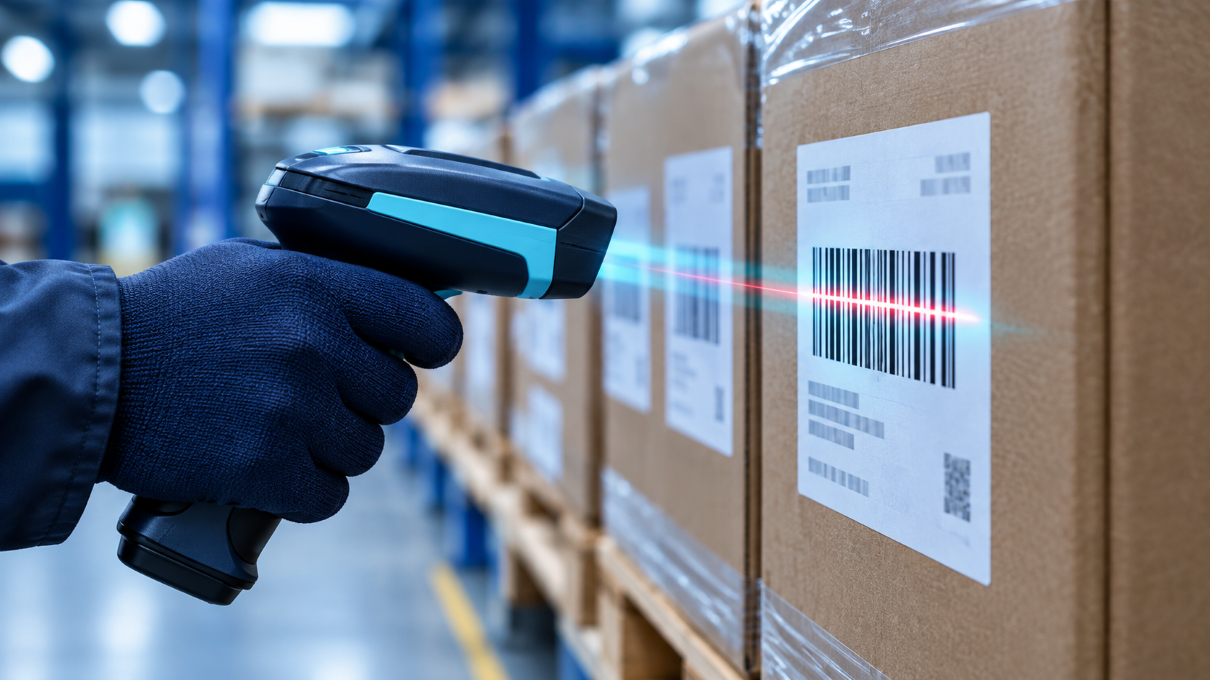
Production ERP improves inventory turnover so less working capital is tied up in stock, directly improving cash flow. By integrating inventory with sales and manufacturing, many manufacturers can reduce inventory levels by 20% or more, lowering warehousing costs.
Production ERP typically includes Material Requirements Planning (MRP) tightly integrated with the BOM. MRP calculates and manages procurement of raw materials and components, supporting just‑in‑time purchasing instead of overstocking. With MRP‑driven insights, manufacturers can make better decisions about production, purchasing, and inventory, which boosts operational efficiency and profitability.
Streamline production
Streamlining production starts with accurate information about shop floor processes. The BOM not only records materials but also the processes needed to make each product.
Integrating BOMs with orders allows jobs to be scheduled and labor and machines allocated appropriately. This can lead to:
-
Fewer rush jobs.
-
The ability to schedule machine maintenance without compromising output.
-
Improved throughput as machine setups are optimized.
-
Reduced overtime through better prioritization and scheduling.
How Production ERP helps streamline production
Production ERP supports production and factory‑floor functions with data for better resource and capacity planning. MRP, as part of production ERP, can automatically receive updates from sales orders, providing faster response to changing demand and helping avoid production delays and stockouts.
Manufacturing operations management (MOM) is an important part of a production ERP environment. A MOM solution can:
-
Publish accurate plans and show whether they were achieved.
-
Capture downtime and its causes.
-
Monitor the speed of production operations.
-
Track defects, analyze root causes, and address them.
-
Create optimal production schedules to increase output.
Other Production ERP benefits
A major benefit of production ERP is the ability to automate operations across the business. Workflows can be streamlined and information can flow automatically between departments instead of relying on manual handoffs.
Examples of benefits of production ERP
-
A manufacturer used MOM‑driven structure and daily scheduling to move from running a week behind to consistently being on schedule.
-
A food manufacturer standardized business processes across four business units, improving efficiency, reducing errors, and shortening turnaround times.
-
A manufacturer with complex production and limited reporting automated processes, gained real‑time visibility, and improved inventory accuracy and management.
-
Another manufacturer improved operational processes end‑to‑end, from order intake to production and finished goods, using production ERP.
With the richer information a production ERP provides, manufacturers can streamline operations and reduce costs. This enables smart, optimized, and agile manufacturing processes where humans and machines interact seamlessly and employees use data to plan and improve their work.