Three in four manufacturers have run a product recall in the last five years, and nearly half trace it to a supply chain issue. Those figures come from Octave’s 2026 Pulse of Quality in Manufacturing survey of 2,263 managers and directors across the US, UK and Germany. The supply chain finding is the one that changes how to think about product recall cost. For 47% of those manufacturers, the defect was in the building before production started, so the cost started there too.
The cost of a product recall splits into two halves. The first is what the recall costs once it is running. The second is what it would have cost to catch the problem at receiving or mid-production. Most manufacturers can quote the first number. Almost none can quote the second. Four controls catch a defect early. Receiving inspection tied to the lot. Inspection flags on the routing. One record of which pallet went to which customer. Certificates that come from the inspection data. Teams skip all four when the line is busy. Quality management inside the ERP holds them in place.
How much does a product recall cost?
A product recall costs a manufacturer in six places, and only the first one has a budget line. Even that visible half is large. Among the firms Octave surveyed, all with 1,000 or more employees, 59% put each recall between $10 million and $49.9 million. A plant with 200 people will land well below that, and the cost categories are identical.
Retrieval and destruction of the affected product. Replacement stock, built on capacity you had promised to other orders. Credits and penalties to customers whose lines stopped. Supplier claims that take months to settle. Audit and re-certification work. And the engineering hours spent working out which lots and which shifts the defect touched. Those hours come out of the ERP, a quality spreadsheet and someone’s inbox.
Manufacturers underestimate the last item. Nobody budgets for the weeks of reconstruction before the recall scope is clear. In those weeks, a narrow recall becomes a wide one.
Where does product recall cost start?
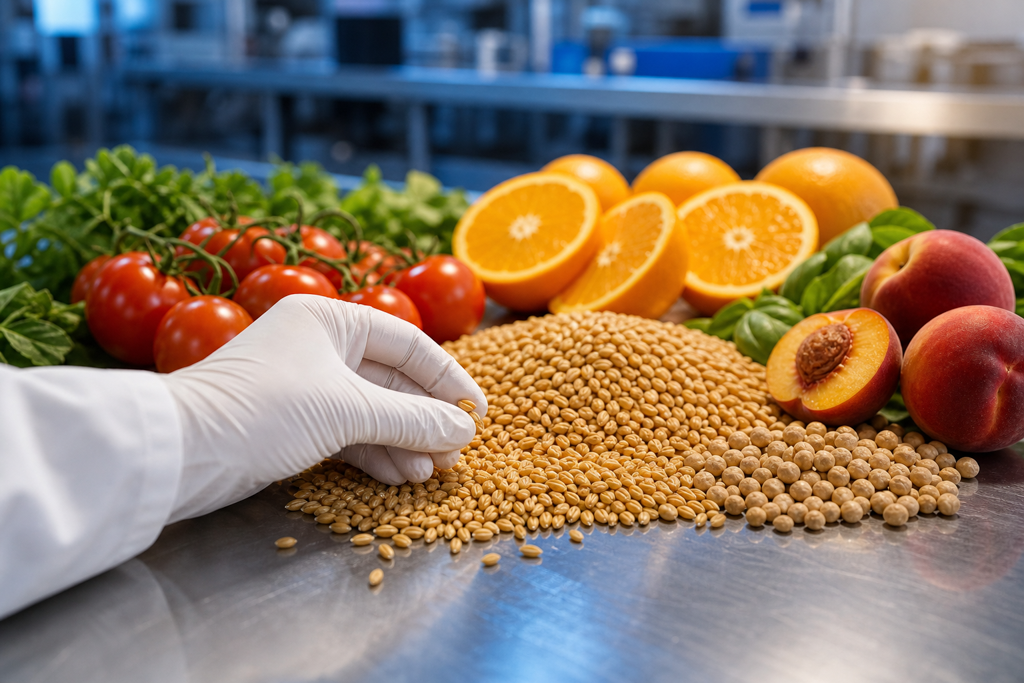
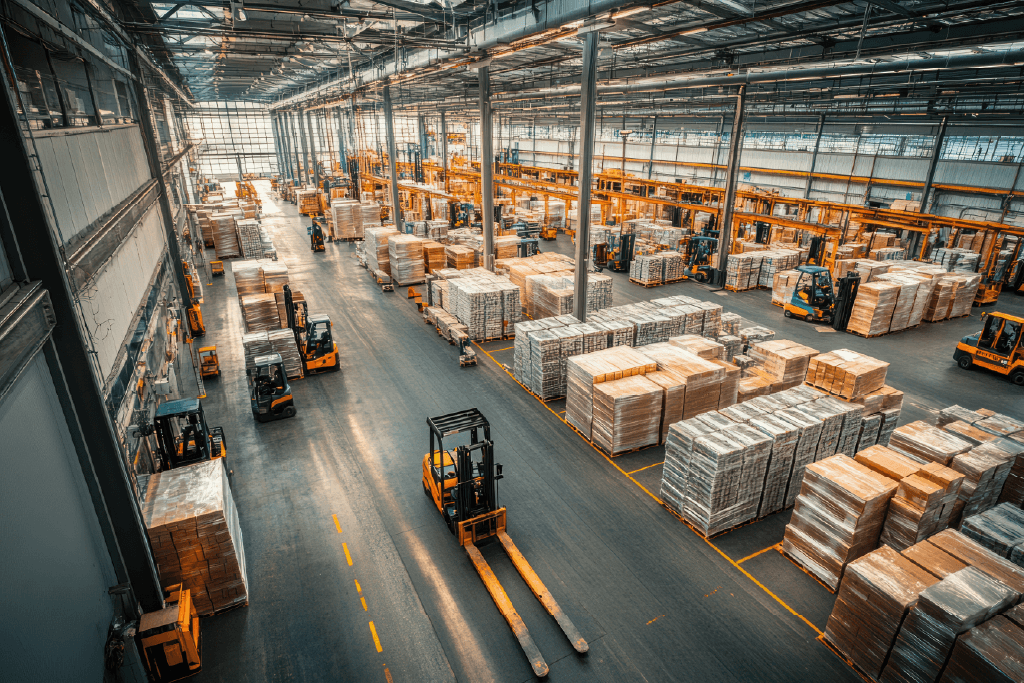
The most common recall starts at the receiving dock, with a defect that entered the building already made. A sub-grade lot arrives with a certificate of analysis that nobody checks against the spec. Receiving books it in. Production consumes the material across six work orders before the first customer complaint comes back. That sequence sits behind the 47% who named a supply chain issue as the primary cause of their recalls.
The failure is rarely the supplier alone. Receiving inspection exists on paper at most plants. The spec the inspector needs lives in a shared drive. The supplier’s certificate arrives as a PDF by email, and the result goes on a clipboard. None of it connects to the lot number in the ERP. When the complaint lands, the quality team cannot see which purchase order brought the lot in, let alone which finished goods it went into.
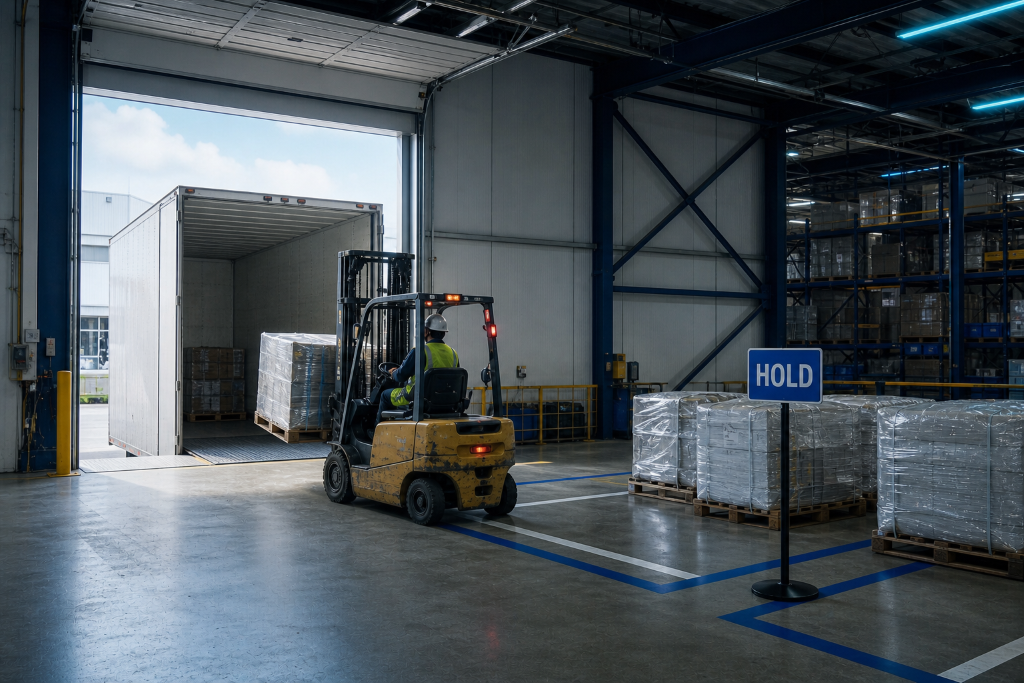
Tying receiving inspection to the lot record changes the response. A failed inspection holds the lot before production can draw on it. The supplier claim starts from the same record. The material goes straight to a return to supplier transaction instead of onto the floor.
Why does final inspection catch defects too late?
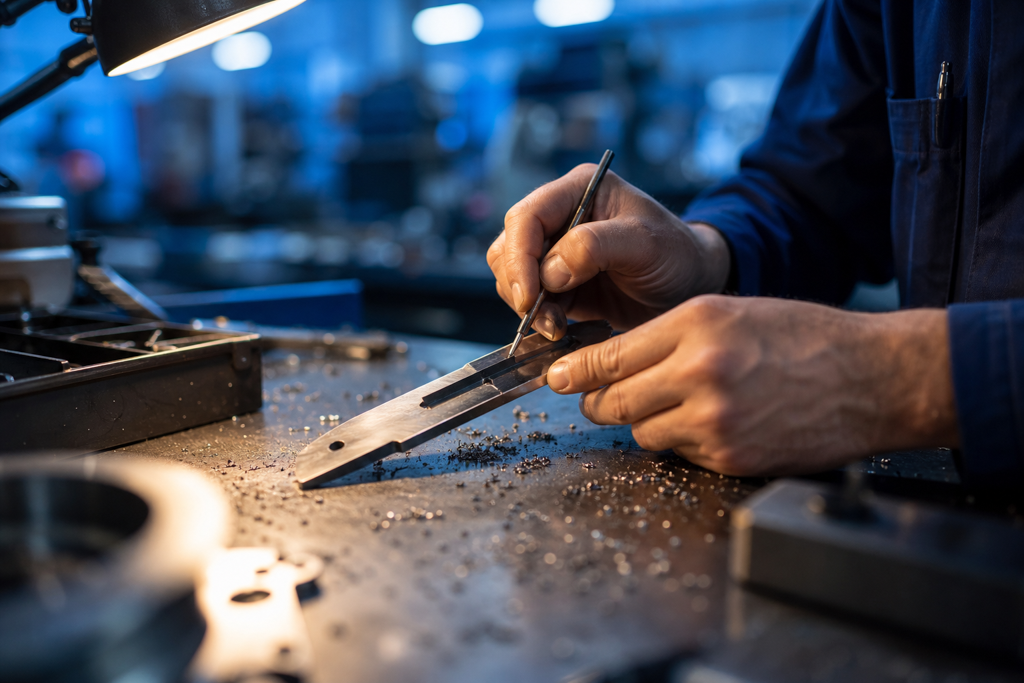
Final inspection finds the defect after the part has absorbed every machining and finishing hour. A bracket that fails at the last station carries the full cost of raw material plus every operation on its routing. Rejected after operation two, it carries a fraction of that.
Most quality systems still run inspection as a separate step at the end of the job, because that is how the paperwork was laid out years ago. The routing does not know an inspection is due, so it happens only if someone remembers.
Syspro moves inspection into the routing. An inspection requirement flag at the bill of materials (BOM) operation level triggers a quality check when that operation completes. The system records results against the live work in progress (WIP) job. If the check fails, the system can block the job from moving to the next operation, or stop it from posting to WIP at all. Defects surface before the part gains more value, and when an auditor asks, the inspection record is already on the job.
How does lot traceability cut product recall cost?
Lot traceability decides whether you recall 40 units or 4,000. When every raw material lot, sub-assembly and finished good carries a lot number the ERP links forward and backward, one query identifies the affected finished goods and the customers who received them. Without that chain, the only safe option is to recall everything built in the window, and product recall cost grows with the window.
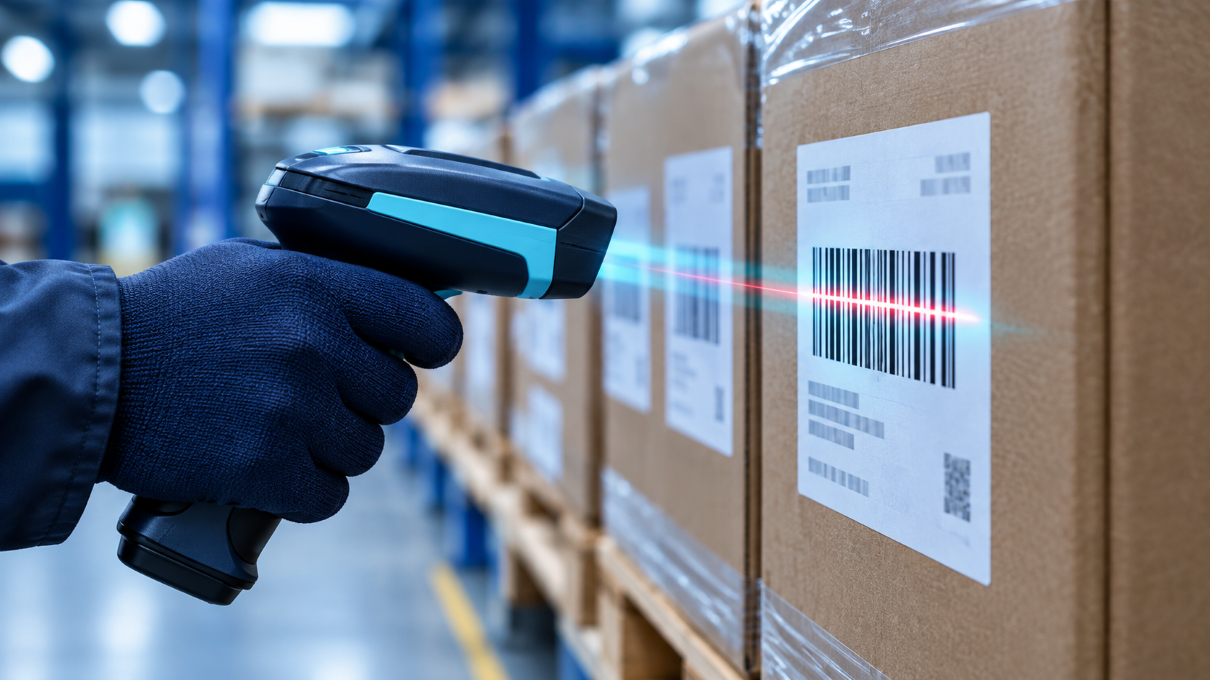
Pallet-level tracking narrows the scope further. With License Plate Numbering in Syspro, a pallet gets a single number at receiving and moves through the warehouse as one handling unit, even when it holds several stock codes and lots. One scan captures every item, quantity and lot on it. When a recall hits, the warehouse can name the pallets that carried the affected lot and where each one went.
Lot traceability is a standard part of Syspro, with serial tracking and full forward and backward genealogy.
Tyneside Safety Glass already works this way. The manufacturer, which supplies glass to the motor sport, agricultural, construction and defense industries, scans each product back to the raw materials that went into it. If one fails in the field, the team can see exactly which materials it contains, work that was close to impossible on the paper records they kept before Syspro.
How do you keep quality documents ready for an audit?
Quality documentation belongs in the same system as the inspection that produced it. Regulators and customers ask for certificates of conformance, certificates of analysis, inspection reports and batch traceability reports. They are asking more often, too. In the Octave survey, 59% of manufacturers reported increased external regulatory requirements in the past year. At most plants those documents live in Word templates and disconnected folders.
Syspro gives quality teams a central library of configurable templates for those documents. Templates integrate with existing quality management workflows, and teams can generate them during inspection, production or supplier management. When a customer asks for the certificate of conformance on a shipment from eight months ago, the document sits on the job and the lot. The numbers on it match the inspection record because they came from it.
Where should you start?
Start at receiving, because that is where the defect most often enters and where product recall cost is cheapest to stop. Tie inspection to the lot and hold failed lots automatically. Then add inspection flags to the two or three operations on each routing where a missed defect costs the most. Move the certificates into the ERP last, once the inspection data behind them is clean.
Because of Syspro, quality teams inspect during production rather than after it, and they can trace any lot forward to the customer and back to the supplier in one query. Recall scope shrinks to the lots the defect touched, and the reconstruction weeks disappear.
What comes after the controls are in place
Every control above depends on a person noticing the reading, checking the rule and making the call. Syspro Torque is Syspro’s industrial AI platform for manufacturers, built to do the noticing and the checking. It works from the operational data already in the ERP and from the manufacturer’s own rules. Upload a receiving spec or a set of supplier terms as a document, and Syspro Torque extracts the rules into a catalog it can enforce. From there it watches the operation, flags the problem and recommends the next step. Where the team has approved it in advance, it carries out the action as well.
Nothing in that process is hidden. Every flag and every action shows the data used and the rule applied, logged with user and timestamp, and the team decides how far to let it run, from insight only through to supervised execution. The receiving example is one Syspro has published. A goods receipt lands with a reading out of spec, such as an incoming alloy lot failing a chemistry or hardness check on its supplier certificate, and Syspro Torque flags the sub-grade lot at the dock. It raises the supplier claim and lines up an in-spec reorder from an approved supplier. The procurement lead confirms it. Syspro Torque is in a controlled availability program now, with general availability to follow.
Key takeaways
- 75% of manufacturers surveyed in 2026 had a product recall in the past five years.
- 47% of manufacturers surveyed name a supply chain issue as the primary cause of recalls, so receiving inspection tied to the lot record is the highest-return control.
- In-process inspection at the BOM operation level catches defects before the part gains more value and can block a failed job from moving on.
- Lot traceability with pallet-level tracking decides whether a recall covers 40 units or 4,000.
- Quality documents generated from the inspection record stay consistent with the data an auditor will check them against.
See in-process inspection, lot traceability and quality documentation in your own operation. Request a demo.
For where the rest of the shop-floor cost hides, see our blog: The Real Cost of Running Your Shop Floor on Spreadsheets.