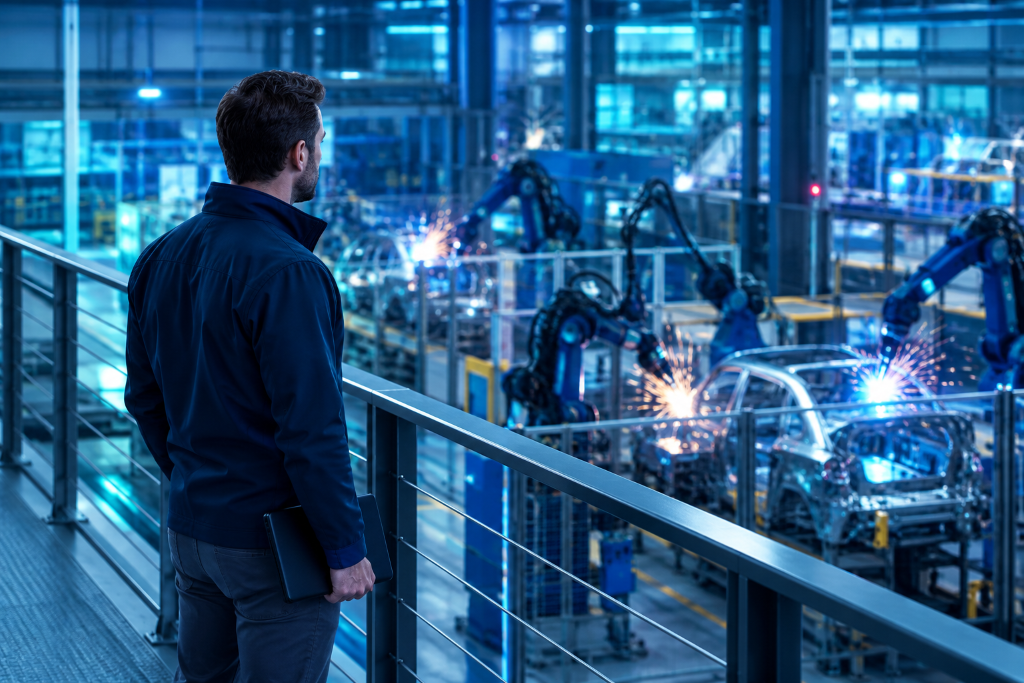
Today’s manufacturers face many challenges in a business context complicated by factors such as ongoing loadshedding, soaring raw material prices, managing shop floor processes, and a weak economy. Manufacturers already understand that digital technologies are transforming the way the industry operates, particularly in improving efficiencies and driving higher levels of business performance.
Technology solutions such as ERP are at the core of digital transformation. Modern Manufacturing Operations Management (MOM) systems are specifically designed to help small to medium manufacturers enhance their efficiency by providing a real-time view of all the processes in the plant. A MOM system does not replace an ERP system – it is a distinct but connected entity, and is most effective when integrated with a manufacturer’s ERP system, as this provides the company with holistic, consolidated records of all business transactions.
Efficiency determines success
To stay competitive, manufacturers must respond quickly to market demands at every level of production without increasing costs, waste, or sacrificing efficiency. That requires strong production planning and scheduling, effective inventory management, robust quality assurance, and planned or predictive maintenance.
Manufacturing operations management (MOM) has become a critical tool for achieving this. Modern MOM systems give small and mid-sized manufacturers a real-time view of factory processes so they can fine‑tune shop floor operations, improve efficiency, and feed highly detailed data back into the ERP for informed decision-making.
By improving visibility on the factory floor through employee and machine tracking, manufacturers can:
-
Introduce more accurate planning and scheduling.
-
Reduce lead times and cut losses by removing inefficient setups and identifying slow‑running assets.
-
Maximize machine and labor uptime.
The result is faster delivery to customers, better control of labor and machine costs, fewer bottlenecks and unplanned stoppages, and less waste. MOM also improves production schedules, supports planned downtime for maintenance, and provides a real-time view of job status across the production cycle. This combination drives higher efficiency and lower costs while supporting compliance with regulations and reducing the risk of fines or sanctions.
Advanced technologies optimize MOM systems
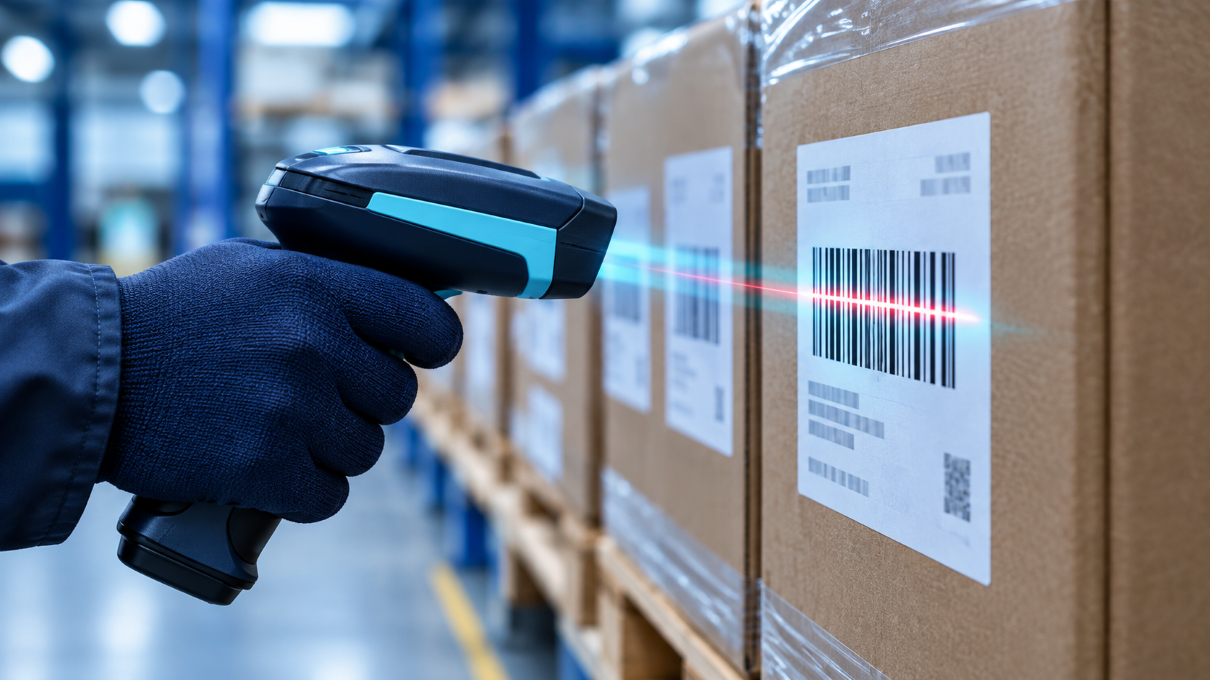
A MOM system collects production information by integrating with equipment, controllers, and ERP systems. It monitors the entire manufacturing process from raw materials to finished goods, connecting machines, equipment, people, and devices without relying on manual input.
This creates real-time, business-wide visibility and control. The integration of IoT, AI, and data analytics provides advanced tools for tracking key shop floor metrics such as labor and equipment usage, performance, and availability.
Fully automated data collection helps drive lean manufacturing and continuous improvement programs. MOM becomes a single source of truth for 360‑degree visibility across the business, supporting faster, more accurate decisions about work in progress, inventory, capacity, and advanced planning. It also facilitates data sharing and collaboration across departments, so decisions are aligned with overall business goals.
Real-time visibility is especially valuable for managing day‑to‑day realities like start/stop events, downtime, job assignments, operation and machine status, part counts, and performance issues. MOM provides managers with metrics such as overall equipment effectiveness (OEE) and overall labor effectiveness (OLE), and can help optimize automated and robotic processes for maximum gain at minimal cost.
Agility is a competitive advantage
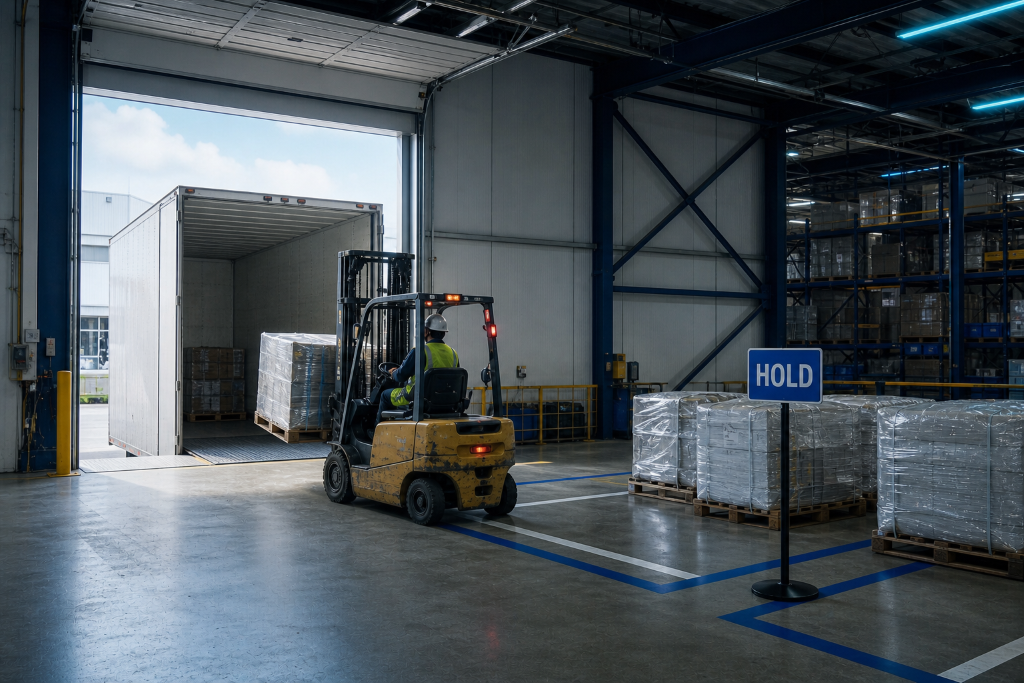
MOM influences the effectiveness of processes across all aspects of operations management, from inventory and production to quality control and maintenance. Without proper planning and monitoring, manufacturers risk production delays or stoppages due to issues like inadequate inventory, quality failures, and unnecessary waste.
MOM enables organizations to generate accurate schedules that consider resources and constraints. This ensures products are ready on time in the most cost-effective way while reducing production costs.
SYSPRO’s MOM capabilities include powerful work in progress tracking to support these improvements.
By improving productivity and resource utilization—including energy and human capital—MOM helps manufacturers increase profitability. In an environment of tight margins, that increase in profitability can be the difference between success and failure, and the gains in agility and flexibility can determine whether a business merely survives or truly thrives.