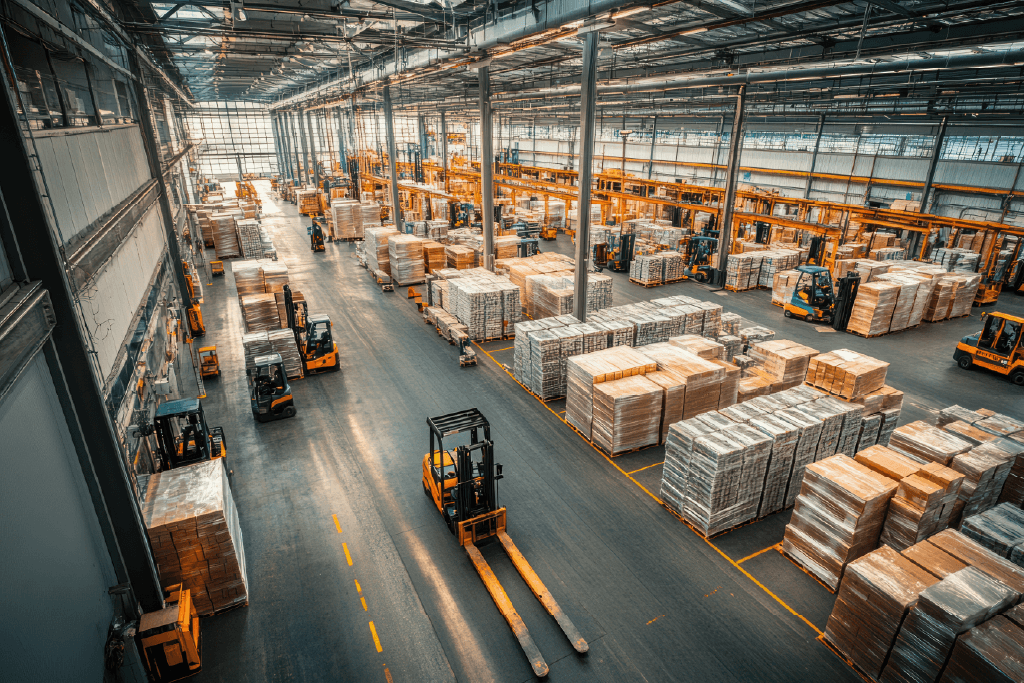
Lot traceability in manufacturing is the ability to track a group of items produced together, called a lot, through production. The record shows the materials and supplier batches that went into it, plus the date and line it ran on. When a defect surfaces, a manufacturer can recall that one lot and keep the rest on the shelf.
Lot traceability decides the size of a recall. With clean lot records, a manufacturer pulls only the affected lots and can show auditors the full history of each one.
What counts as a lot, and how is it different from serial tracking?
A lot is a quantity of material made or received under the same conditions. One production run is a lot, and so is one supplier delivery. Every unit in it shares a lot number and a history. Food and chemical plants often call a lot a batch, so lot traceability and batch traceability describe the same practice.
Serial tracking gives each unit its own number. It suits high-value equipment, where a manufacturer needs the service history of one machine. Lot tracking suits products made in volume, like food, chemicals, plastics and packaging. Many plants use both, with lot numbers on raw materials and serial numbers on finished assemblies.
Most quality and product safety rules expect a manufacturer to keep this record. ISO 9001 calls for identification and traceability where it is a requirement. Since Dec. 13, 2024, the EU General Product Safety Regulation has required a batch or serial number, or a similar identifier, on consumer products. In South Africa, section 60 of the Consumer Protection Act lets the National Consumer Commission order a recall of unsafe goods.
Syspro’s ERP platform records lot numbers from the moment stock is received to the moment it ships. The Syspro Lot Traceability page shows the full workflow.
How does component-level traceability work?
Component-level traceability links each component lot to the parent lot it went into. A manufacturer can then follow one part through the bill of materials in either direction. Following a lot back toward its supplier is called backward (upstream) traceability. Forward (downstream) traceability follows it out to the customers who received it.
For example, a customer returns a failed power supply to an electronics assembler. Quality starts from the unit’s lot number and traces upstream to the job that built it. That job shows the capacitor lot it used. The capacitor lot then links back to the purchase order and supplier that delivered it.
Next, the team traces downstream from the capacitor lot to every assembly lot built with it. From each of those lots, a second step shows the sales orders that shipped them.
What do food safety regulations require from lot traceability?
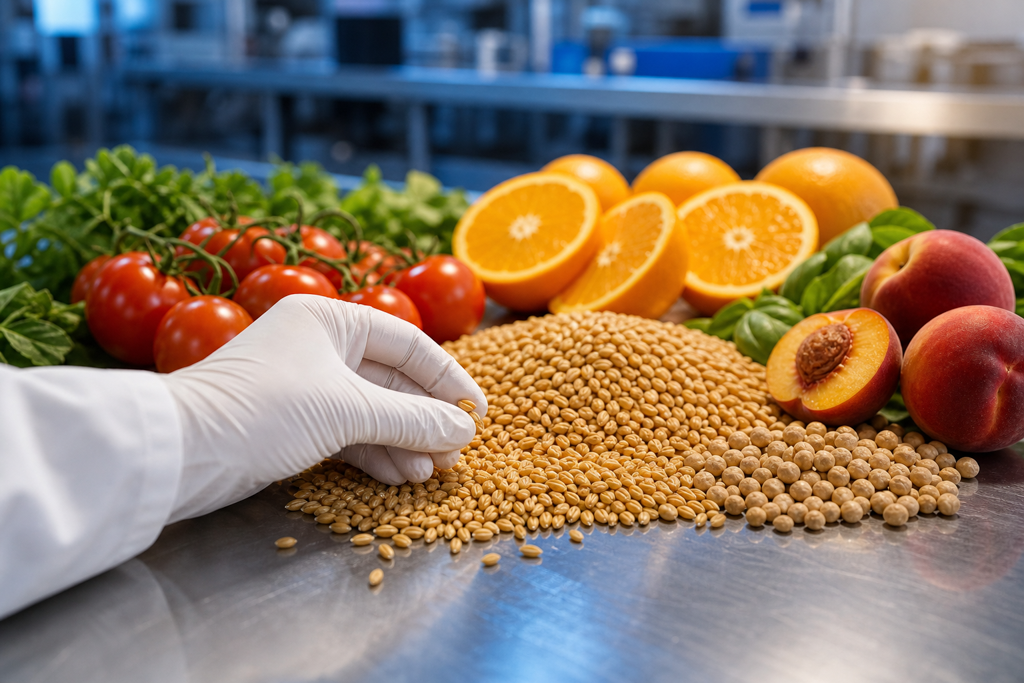
Food safety law in most major markets requires a manufacturer to show where its ingredients came from and where each finished lot went.
In the EU and the U.K., Article 18 of the General Food Law sets a one-step-back, one-step-forward rule. Every food business must name its direct suppliers and the businesses it sold to.
The U.S. goes further for high-risk foods. The Food and Drug Administration (FDA) Food Traceability Rule, known as Food Safety Modernization Act (FSMA) 204, covers foods on the FDA’s Food Traceability List. Companies must keep traceability lot codes and send records to the FDA within 24 hours of a request. Enforcement starts July 20, 2028. In South Africa, food recalls fall under the Consumer Protection Act and the National Consumer Commission’s recall guidelines.
Hazard analysis and critical control point (HACCP) plans add their own record demands. So do certification schemes such as BRCGS and FSSC 22000, which many retailers require before they list a supplier.
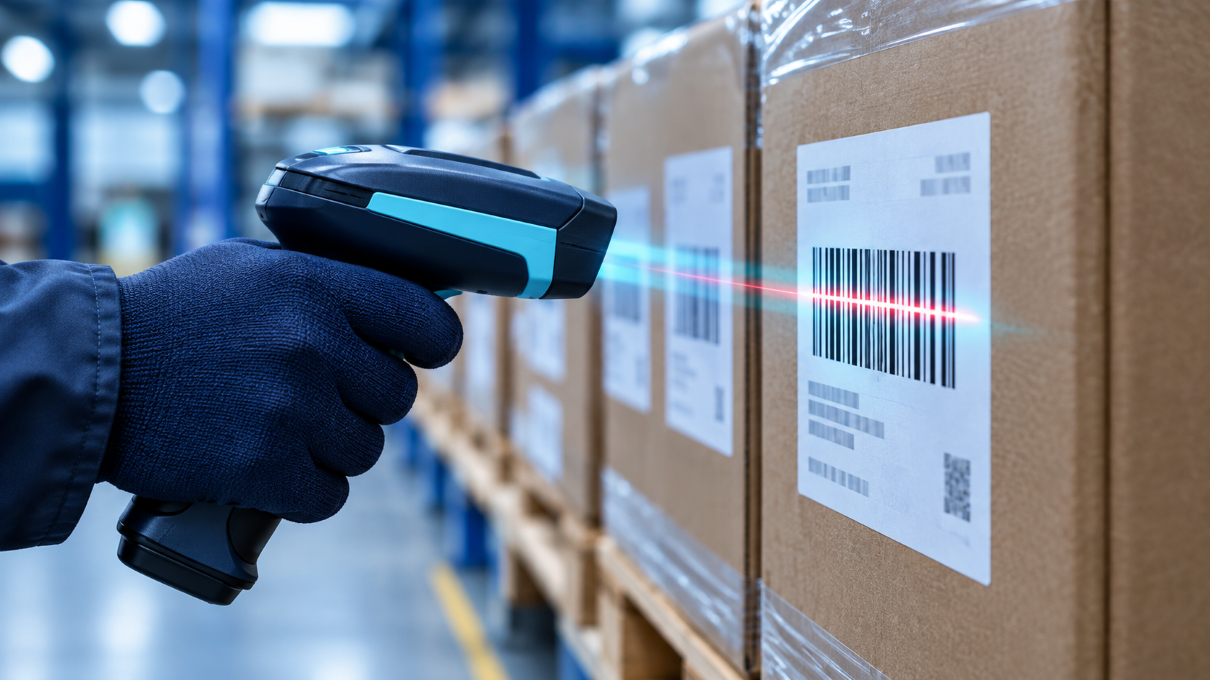
Langeberg Foods, a South African fruit cannery, exports about 80% of its output to more than 35 countries. It moved to line-side scanning with Syspro ERP and Syspro Mobile Warehouse. Batch and line details, stamped with the production year, now go into the system electronically as product leaves the line. Langeberg credits that record with supporting BRC compliance and recall preparedness. A receiving and transfer cycle that took up to two days now runs in under three hours.
A paper trace means matching batch sheets to receiving and dispatch records by hand. An electronic trace starts from the lot code and returns the supplier batch and every customer who received it. For how this compares with standalone tools, see ERP vs Food Traceability Software.
How does lot traceability in manufacturing feed supply chain analytics?
The lot records that answer a recall also show which suppliers and lines cause the most quality holds.
When inspection results sit against each lot, purchasing can see which supplier’s batches fail most often before placing the next order. Expiry dates on each lot show how much stock is close to aging out. First expired, first out (FEFO) depletion uses those dates to ship the oldest stock first. The Syspro Supply Chain Management page shows how lot data connects to planning and purchasing.
Returns add another signal. When a returned item carries its lot number, the complaint links back to the run that produced it.
Those patterns only help if someone sees them in time. Syspro Torque, Syspro’s industrial-grade AI platform, is built for that job. Its AI agents monitor ERP data against a manufacturer’s own business rules and recommend what to do next, while the team keeps the final call.
How does Syspro handle lot traceability?
Syspro ERP records lot data inside the transactions teams already run, from purchase order receipt to sales order shipment. Stock codes flagged as lot traceable carry their lot numbers through every warehouse and bin.
Lot numbers can be assigned automatically or by hand, and a lot number can match the job number that produced it. Work in Progress records lot numbers when materials are issued to a job and when finished goods are received from it. The Lot Traceability Up and Down Query steps through each lot’s immediate source and destination, one level at a time. The Component to Parent Lot Tracking Query follows a component lot all the way up to the top-level parent.
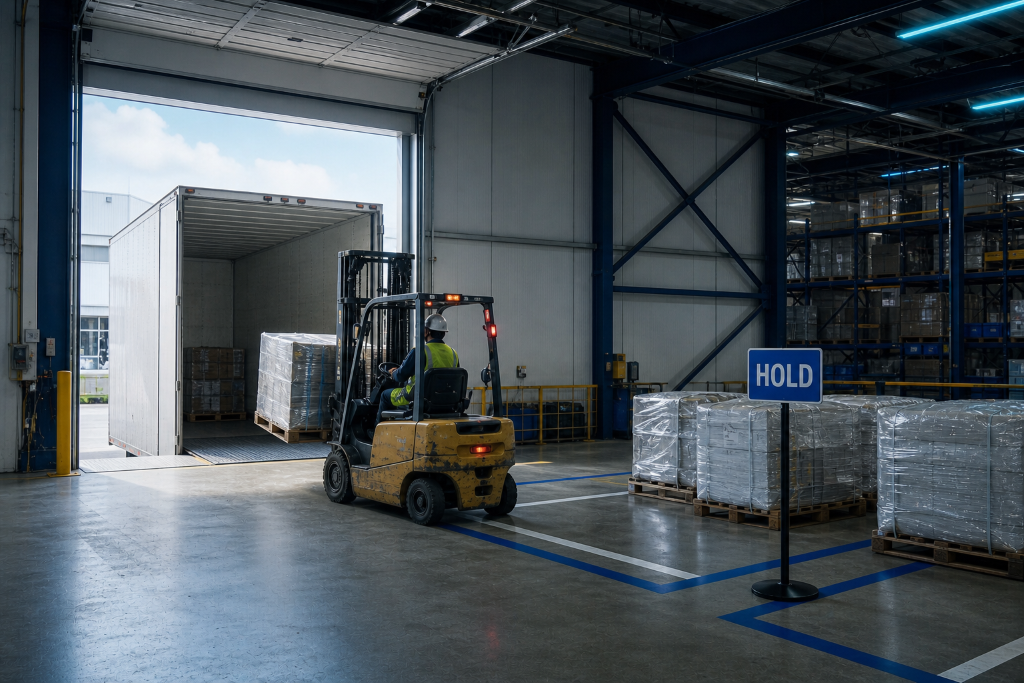
Quality Management records inspection results against each lot. A suspect lot can go on hold so no one can issue it to a job or ship it. Each lot carries an expiry date plus recorded dates such as use-by, sell-by and best-before. Inventory can deplete lots by earliest expiry date to support FEFO picking. Material requirements planning (MRP) can also exclude expired lots from available stock.
When a problem calls for a recall, Recall Management selects the affected lots and the parent items built from them. It then places that stock in quarantine. Quarantined stock can’t be shipped or allocated to a job. A recall hold also overrides a normal lot hold until the recall is closed. Teams can run a mock recall to rehearse the process before a food safety audit asks for one.
Because of Syspro, a quality team can go from one suspect lot to a quarantined recall list without leaving the system that runs production.
See a lot traced from receipt to shipment
Discover what Syspro can do for your operations. Follow a lot from supplier receipt to customer shipment, then quarantine the affected stock, all in one system.
Book your lot traceability demo →
Key takeaways
- Lot traceability in manufacturing tracks a group of items produced together from supplier batch to customer, so a recall stops at the affected lot.
- Lot tracking assigns one number to a production run or delivery; serial tracking assigns one number to each unit, and many plants use both.
- Component-level traceability follows a part through the bill of materials upstream to its supplier batch and downstream to every finished product that used it.
- EU and U.K. food law requires one-step-back, one-step-forward traceability; the U.S. FSMA 204 rule requires records within 24 hours of an FDA request from July 20, 2028.
- Lot records that hold inspection results and expiry dates also show supplier quality trends and stock at risk of expiring.
- Syspro records lot numbers from purchase order receipt to shipment, traces lots in both directions and quarantines affected stock during a recall or mock recall.
For what a recall costs once it starts, read our blog: What Does a Product Recall Cost a Manufacturer, and What Stops the Next One?