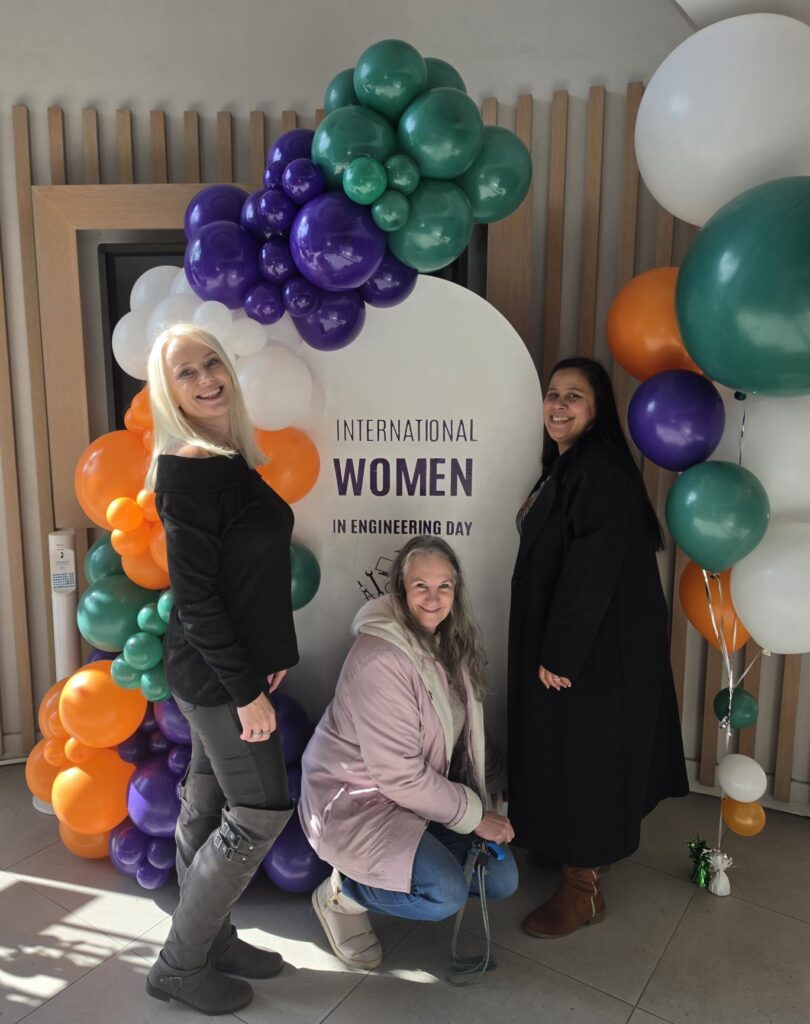
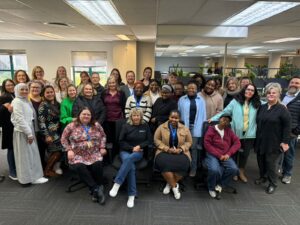
Today we marked International Women in Engineering Day at Syspro. We brought together a panel of women engineers, male champions, people who’ve led, been led, and spent years figuring out both. What followed was one of the most honest conversations I’ve been part of in a long time. I want to share some of it.
The room shapes what’s possible
My first boss was a man. He never once made me feel like there was anything I couldn’t do. He just said: of course you can do that. That was it. And I have carried that with me through my career.
Several people on our panel had the same experience. Women with male bosses who backed them without hesitation, men with female bosses who showed them what leadership looked like. The common thread wasn’t gender. It was psychological safety. The belief that you are allowed to try, to fail, to put your hand up without it counting against you.
That environment doesn’t happen by accident. It gets built or it doesn’t.
The confidence gap is real, and it starts early
We talked about job applications. Women apply for roles when they meet close to 100% of the criteria. Men apply at 60%. That gap isn’t about capability. It’s about conditioning and it’s about confidence. It starts in how girls are raised, what they’re praised for, what risks they’re quietly discouraged from taking. The panel agreed that’s changing. But not fast enough.

What helps? Start keeping a record of your wins. Not for your CV. For yourself. Small ones count. The discipline of noting down what you did well each day changes how you see your own value over time. Women downplay their achievements instinctively. Writing them down is a direct counter to that.
Bias isn’t the enemy. Unexamined bias is.
This one surprised people. I made the point that bias isn’t inherently bad. It’s a survival mechanism. We are wired to pattern-match, to categorise, to make fast decisions based on limited information. The problem isn’t that bias exists. The problem is when we don’t stop to ask where it comes from or whether it’s actually serving us.
Ask for feedback more. Seek out the perspectives that challenge your default assumptions.
Sponsors, not just mentors
We need to be honest about the difference. A mentor gives you advice. A sponsor spends their political capital on you. They say your name in rooms you’re not in. They back you when it costs them something.

Women at senior levels need sponsors. And the talent to sponsor is almost always already inside the organisation. Before you hire externally, look at who you have. Your biggest talent bank is the people already in the building, already invested, already understanding the culture. Growing from within isn’t just good for retention. It’s where your best leaders come from.
Pay it forward
One thing that still holds women back is each other. Women can be overly competitive and critical of their peers in ways that don’t serve anyone. I understand where it comes from. Scarcity, competition for limited space at the top, years of being the only one in the room. But we have to get past it.
If you see someone trying to be heard, amplify them. If someone did good work, say so publicly. If you got somewhere difficult, reach back. Pay it forward. The women coming up behind us should have it easier, not harder, because of us.

The industry question
Manufacturing and distribution still has a long road to travel on this. Women make up around 16% of the engineering workforce. In AI, the technology now being embedded into the operational backbone of our industry, women hold just 22% of roles globally and 12% of research positions. The systems being designed today will shape how factories run for the next decade. Who is in the room when those decisions get made is not a diversity checkbox. It’s a quality question.
At Syspro, we’re looking at the real changes we can adopt now. Actual decisions about who gets hired, how we ensure people are heard, who gets sponsored, and what kind of environment we’re building every day.
You can’t be what you can’t see.
That was the line that stayed with me from today. So let’s be visible. Show up. Speak up. And when you see someone else trying to, make space for them.

By Leanne Taylor, Chief Executive Officer, Syspro