Buyers in manufacturing expect to see where their order is at any point. They want live updates on status, timelines and delays. Automated alerts and self-service portals aren’t a bonus. They’re the baseline.
The gap shows up when the website can’t talk to the shop floor. Customer-facing platforms fail to pass technical needs, stock limits and production capacity to back-end workflows. Orders get re-keyed by hand. Data drifts. Delivery dates miss. And the service team spends its time fixing problems the system should have caught.
Integrating eCommerce with manufacturing systems brings sales, production and fulfillment into one connected setup. The case is simple: close the gap between the storefront and the factory to cut costs, speed up delivery and tighten quality.
What does it cost when the storefront and the factory are disconnected?
A factory running split systems pays for it daily. As a result, the losses show up as margin erosion, downtime, missed orders and data entry errors that ripple across the business.
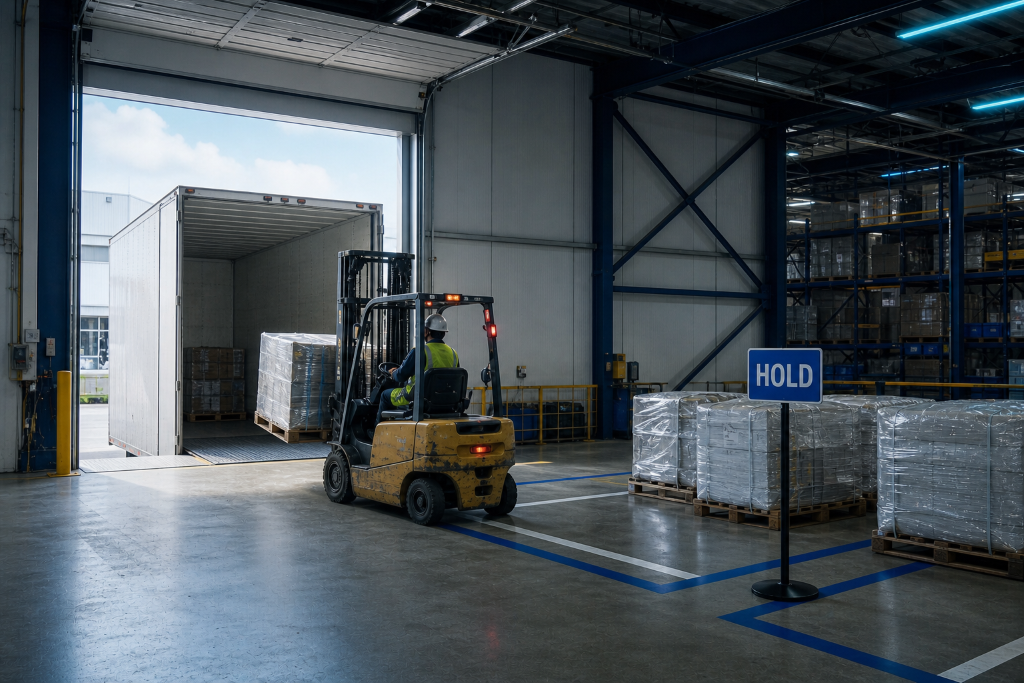
Disjointed systems also cause stock imbalances, tying up cash in excess raw materials or halting production completely due to material shortages. Delivery delays become common thanks to production schedules and client orders sitting in separate systems, often causing customer attrition.
When eCommerce and the ERP can’t share data, tracking what’s happening on the floor is guesswork. Ultimately, lost minutes add up fast and eat into margins.
What does integrating eCommerce with manufacturing systems look like?
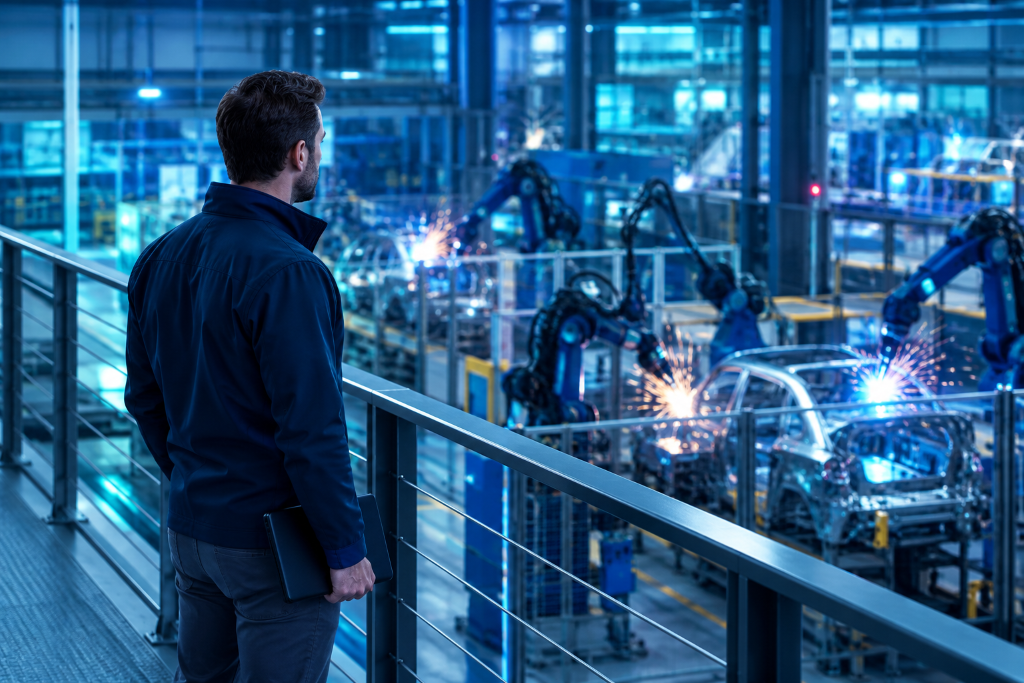
An integrated factory connects people, equipment and software into one setup. It allows live updates between suppliers, the floor and buyers so teams can cut waste, shorten lead times and make better use of what they have.
Real-time inventory visibility means management and staff can track what is planned, what is happening and what it costs at any moment. With integrated production planning, the factory floor is mapped to ensure seamless people flow and material flow, reducing bottlenecks, cutting wasted travel time and lowering accident risk.
Delivery accuracy gets better when scheduling, production and order data all feed from one source. Promised dates line up with actual dates because the system has the full picture.
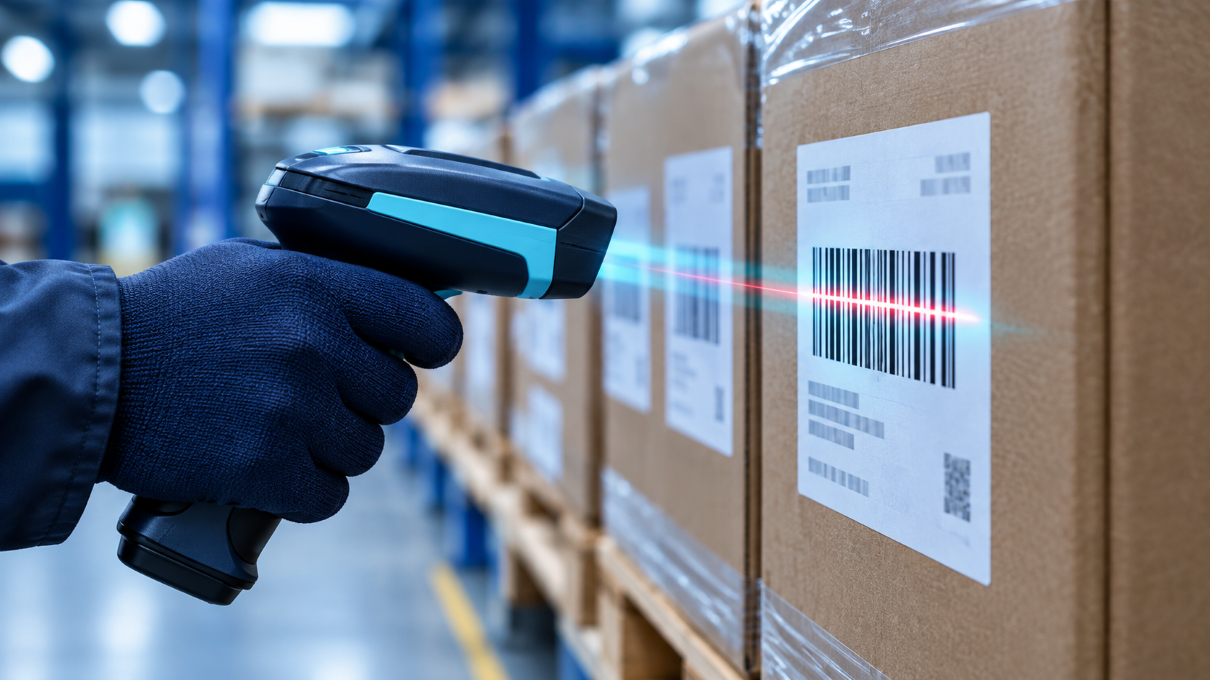
Integrating ecommerce with manufacturing systems also automates order processing. Specifically, it creates a direct link from the point of sale to the shop floor. Order tracking connects floor-level tools to the ERP, replacing manual entry with live scanning and sensor data.
The Aluminium Industries approach
In a real-world example of integrating eCommerce with manufacturing systems, Australian manufacturer Aluminium Industries tripled the size of its business without any need for additional administrative staff. This was achieved by implementing one fully integrated solution to manage all aspects of the business.
Unbound Systems, Aluminium Industries’ software development division, developed eCommerce solutions such as field ordering tools using Syspro ERP’s built-in Business Objects layer. General Manager Jacob Kowalewski noted that this gave his team the freedom to build around the company’s actual needs.
“Syspro’s Business Objects layer uses ERP principles to communicate and to push and pull data. Because the data is captured in Syspro, we can rely on its absolute accuracy. It’s been transformative to build our software around this architecture.”
– Jacob Kowalewski, General Manager of Unbound System
As a result, buyers can now place orders on the go, straight into the ERP, without routing through an admin desk.
The implementation of Syspro automated workflows and multiple manual processes, delivering a marked improvement in customer service.
Aluminium Industries’ requirements are constantly changing as the company plans new products, spins up new divisions and looks to move to the next level of growth and success. With Syspro, there is no need to worry about the software ecosystem as the business evolves. As business and technology change, Syspro stays at the forefront, modifying its software to allow Aluminium Industries to grow.
What are the benefits of integrating eCommerce with manufacturing systems?
Integrating eCommerce with manufacturing systems doesn’t just streamline processes; it delivers measurable benefits across every stakeholder group.
- Customers/buyers: Integrating eCommerce with manufacturing systems means faster deliveries and more options. Order data flows from the first request through production to shipping without manual handoffs. Consequently, dates are accurate and updates are live.
- Sales teams: Gain access to accurate production schedules and inventory data, allowing them to commit to delivery dates with confidence. This lets them close deals with confidence and give buyers dates they can trust.
- Operations: End‑to‑end visibility across production and supply chain activities helps teams anticipate issues, balance workloads and optimize throughput in real time.
- Finance: Able to forecast cash flow more precisely thanks to integrated demand and supply data. Faster access to reliable insights supports quicker approvals and sharper financial decision‑making.
- Leadership: Sees the enterprise as a unified whole, fostering collaboration across departments that previously worked in silos. With predictive insights at their fingertips, leaders can shift focus from short‑term problem‑solving to executing long‑term, predictive strategies.
What should you think about before connecting these systems?
Start small. Run a pilot on one line or one order type, prove it works, and scale from there. A phased rollout lets you move from testing to full production without breaking what’s already running.
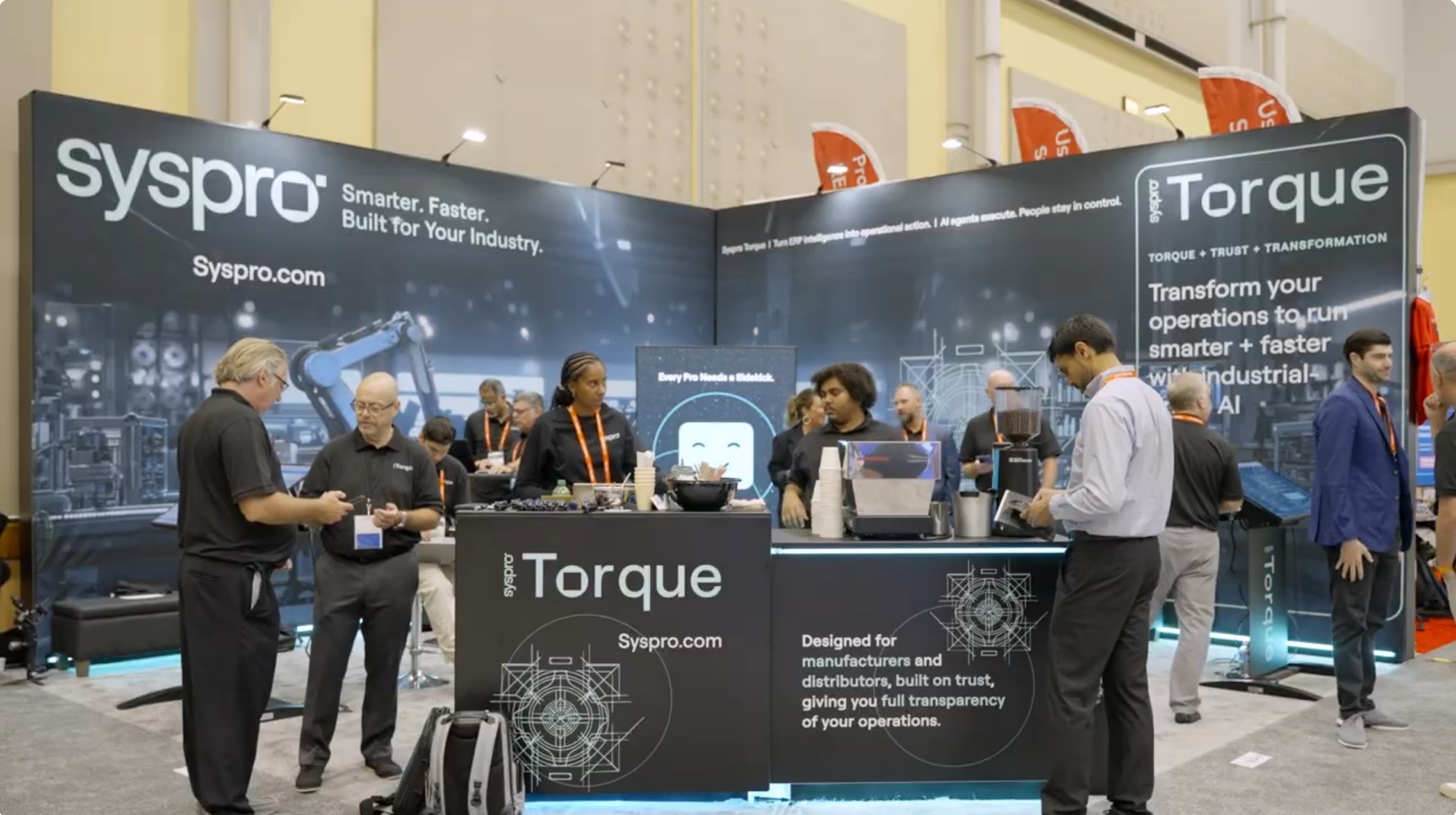
Similarly, choose a platform built for manufacturing. An ERP like Syspro ties into shop-floor hardware, offers live dashboards and grows with your volume. Pairing it with a rich integration layer means your team can build on top of it as needs change, the same way Aluminium Industries did with Unbound Systems.
Workflow design matters. Connecting the floor to digital systems takes planning around data flow, automation and traceability. A clean workflow cuts errors and keeps teams in sync.
Integrating eCommerce with manufacturing systems also shifts the buyer relationship. The goal is to keep buyers in the loop as processes connect and improve, moving from a transactional exchange to something more collaborative.
Why does integrating eCommerce with manufacturing systems matter now?
Integrating eCommerce with manufacturing systems creates a strategic asset by digitally and physically connecting machines, supply chains and design processes. This unified approach lowers costs, accelerates time-to-market and enables rapid customization, building a formidable barrier to entry for competitors who rely on disconnected legacy systems.
→ Download the full Aluminium Industries case study
→ Request a demo to see how Syspro connects eCommerce to manufacturing
Key takeaways
- Integrating eCommerce with manufacturing systems closes the gap between the storefront and the factory, replacing manual order entry with automated workflows.
- Split systems cause stock mismatches, pricing errors, delivery delays and lost buyer trust. Integration solves these at the data layer.
- Aluminium Industries’ software arm, Unbound Systems, built eCommerce field ordering tools on Syspro’s Business Objects layer, letting buyers order straight into the ERP from the field.
- The company tripled in size without adding admin staff. Connected eCommerce was a key part of handling that growth.
- Start small, prove the value and scale. Choose a platform with a rich integration layer you can build on as needs change.