
What Does a Product Recall Cost a Manufacturer, and What Stops the Next One?

Three in four manufacturers have run a product recall in the last five years, and nearly half trace it to a supply chain issue. Those figures come from Octave’s 2026 Pulse of Quality in Manufacturing survey of 2,263 managers and directors across the US, UK and Germany. The supply chain finding is the one that […]
The Real Cost of Running Your Shop Floor on Spreadsheets

The “real cost” of running a shop floor on spreadsheets like Microsoft Excel or Google Sheets goes far beyond the software’s nominal fee. This hidden spreadsheet tax can cost a mid-sized shop hundreds of thousands of dollars annually through lost administrative time, avoidable overtime, material waste and delayed customer deliveries. Manual shop‑floor processes may look […]
What is ERP? And why do so many implementations still fail?

ERP, or Enterprise Resource Planning, is software that connects a company’s core operations, including finance, inventory, production, purchasing and sales, on one shared set of data. We have implemented ERP across hundreds of manufacturing and distribution businesses. What we see across the manufacturers and distributors we work with is that the companies who plan the rollout carefully pull […]
The Hidden Cost of Integration Sprawl in Manufacturing

You probably didn’t plan to run seven systems. A warehouse management system (WMS) came in when you opened the second site. A customer relationship management (CRM) tool arrived because sales needed better order visibility. The scheduling tool followed when the shop floor started missing commit dates. Then came the electronic data interchange (EDI) platform, a customer requirement, […]
DSO is a payments problem, not a collections problem

Manufacturing DSO has climbed to historic highs. The lever to release working capital sits at the moment of payment, not in collections intensity. When days sales outstanding climbs, the reflex inside most finance teams is to turn to the collections department. More calls. Tighter dunning cadences. Pressure on customers who are slow to pay. The […]
Five Signs Your ERP Is Always One Step Behind the Floor

If your ERP is always one step behind the floor, your team feels it every shift. The picking crew knows a bin is short before the system does. The planner knows a machine is down before the schedule updates. By the time the platform catches up, the decision has already been made without it. The […]
Extending Your ERP Where It Matters Most with Syspro Marketplace

It usually starts with one specific request. Engineering wants computer-aided design (CAD) files synced to bills of materials, so revisions don’t fall out of step. Or finance needs sales tax automation that handles thousands of US jurisdictions. Or sales asks for an e-commerce storefront with live inventory from the ERP. Each ask points to the same thing: specialized capability that lives outside core ERP. […]
Are You Maximizing Your ERP Platform Investment?

Manufacturing teams often search for solutions to operational challenges while powerful capabilities sit dormant in their existing systems. A production manager builds Excel spreadsheets to track job costs. A quality director searches through paper records during an audit. A purchasing team buys third-party software to calculate landed costs. Meanwhile, the tools to solve these problems might already exist […]
Why AI Maturity in Manufacturing Depends on Execution, Not Experimentation
IDC’s latest report published this week, the ‘IDC MaturityScape AI-Fueled Organization 2.0 – 2026 Apr’ and accompanying ‘IDC Agent as Apps-The Rise of Apps – A Vendor Business Model Reset’, captures an important shift in the market. Most organizations are already experimenting with AI. The question is whether they can turn that experimentation into something practical, scalable, and genuinely useful in the day-to-day running of […]
Leveraging IoT for Manufacturing: Smarter Inventory Management through ERP Integration
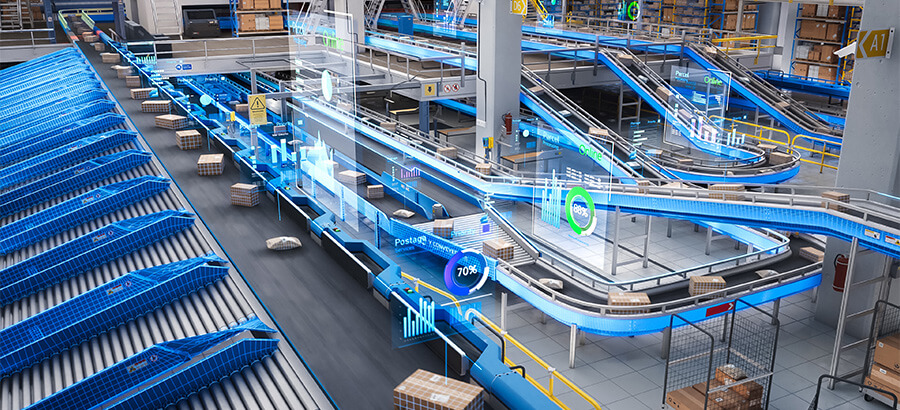
Manufacturers face a constant challenge: balancing inventory levels to meet customer demand without tying up working capital in excess stock. Manual tracking methods and delayed data create blind spots that lead to stock-outs during peak demand or costly overstock situations that drain cash flow. The Internet of Things (IoT) is changing how manufacturers manage inventory. By connecting sensors, devices and […]