A movement has been around for a few years called Business Transformation. Twenty years ago, a different action — Business Process Improvement — helped to encourage a concept called the Theory of Constraints (TOC). Finally, fourteen years ago, a book called ‘Thinking about ERP’ was published, which explained how businesses should think about selecting, deploying and operating an ERP to achieve business requirements. While these three incidents are separated historically, they can be used to help manufacturers improve their processes and transform their businesses.
Theory of Constraints
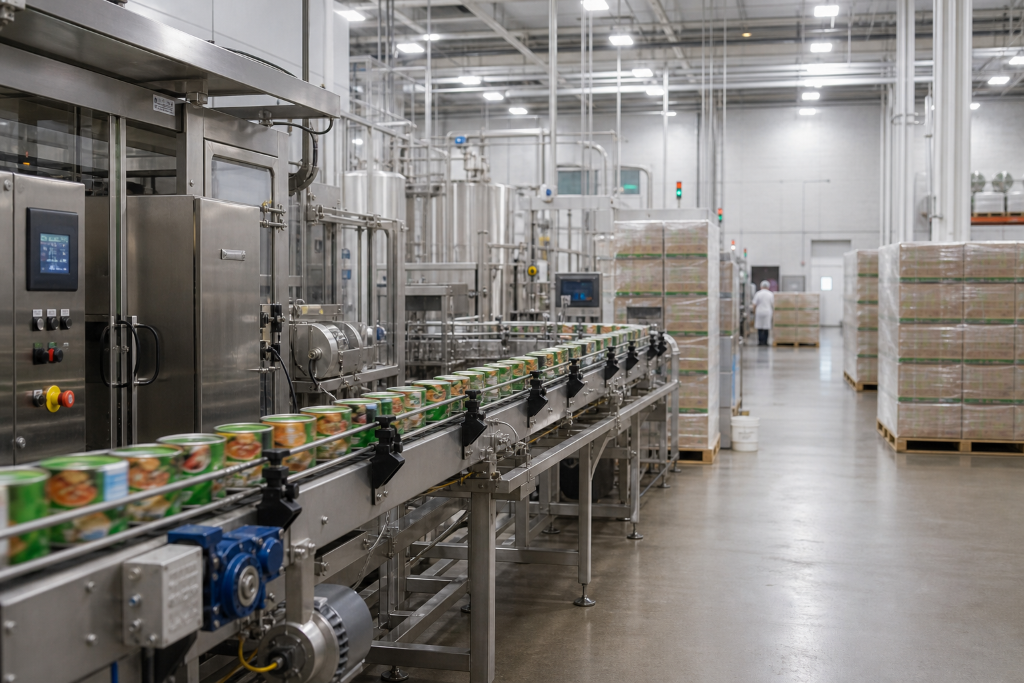
In 1984, Eli Goldratt published the book ‘The Goal’ in which he expounded the management concept of the Theory of Constraints (TOC). TOC postulates that every system has a limiting factor (constraint) that stops the system from performing better. It then provides a methodology for finding and improving that constraint until it is no longer the limiting factor. In manufacturing, the constraint is often referred to as a bottleneck. To improve performance or profitability, a business must find the bottleneck in the manufacturing process and fix it. Usually, there are only a small number of bottlenecks.
The constraint limits production efficiency due to the processes that work in a business, a concept that has become well known in manufacturing — Drum, Buffer, Rope. The Drum sets the pace of the system and is limited by the constraint. The Buffer is the space that supports variation so that the Drum can operate at its usual pace. The Rope is the mechanism that controls how things flow through the entire process.
There is a process to fix the constraint — The Five Focusing Steps. This involves identifying the constraint and then using other resources to support it, without concern at this stage for efficiency, and gradually finding out what needs to be done to eliminate it.
To support the steps are the Thinking Processes, which seek answers to the following:
- What needs to change?
- What does it need to change to?
- How to bring about the change?
The answers to these three questions are what the next concept needs to guide decisions.
Thinking about ERP
The Thinking about ERP book (TAE) was written to help executives understand how business objectives impact a decision to implement a new ERP system or change any existing system. It provides the decision-makers with three questions to ask about the ERP solution.
- What are the strategic objectives that implementing or changing the ERP will achieve? Why is a new or altered ERP needed?
- How much and when will the ERP contribute towards achieving the objectives? What benefits are expected, when, and how much will it cost?
- How do the answers to the first two questions influence the decision on how to implement or change the ERP?
The book then discusses the types of changes needed for the new or changed ERP. This is the Dimensions of Change model, which covers the three elements of change:
- technology,
- business processes,
- organizational structure.
The link between TOC and TAE
Can you see yet how these two major concepts are related? From TOC, a business can identify the objectives it wants to achieve in terms of improved profitability and performance. TAE states that TOC can link the ERP initiative and the bottom line. In TAE, the business can plan what changes to make to the system, processes and organization for the ERP system to achieve its objectives.
How Theory of Constraints (TOC), TAE and ERP work together
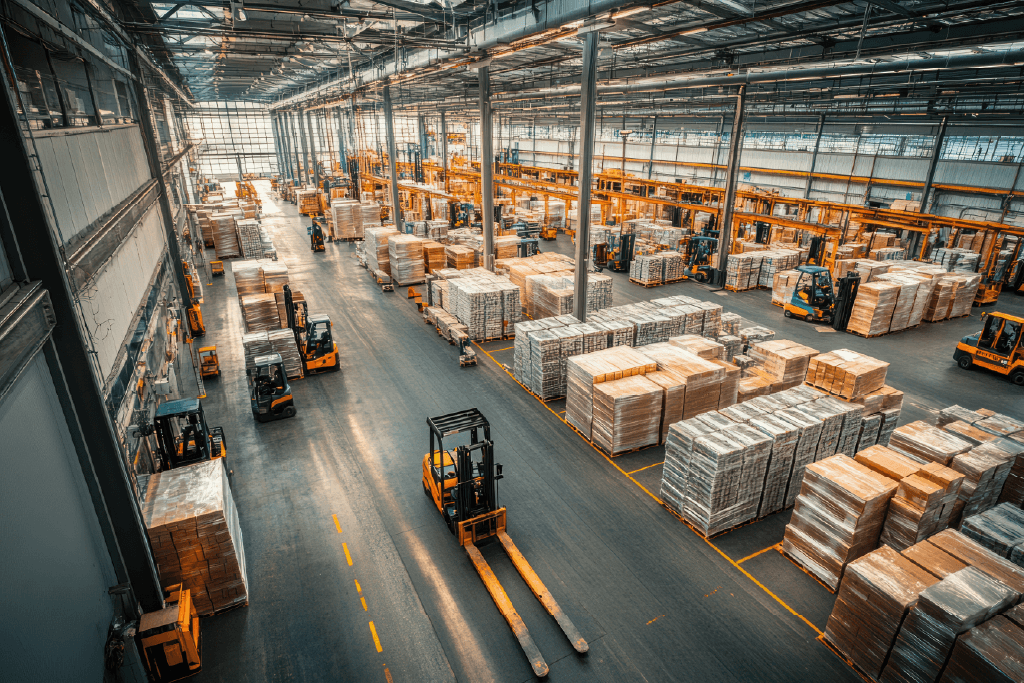
The ERP system provides the data through an integrated approach to measure how the TOC strategy works. For example, for a manufacturer, the Drum could be the master production schedule, Buffers could be inventory or other processes (e.g., procurement), and Rope is the set of integrated processes in the ERP application that ties everything together, from procurement to manufacturing to customer fulfillment.
The ERP system can provide information, such as Overall Equipment Effectiveness from the shop-floor reporting system, to identify the constraint. In addition, real-time data from the ERP can be used to ascertain how the system is performing as the constraint is gradually removed and after it has been removed.
TAE might define the procurement processes that need to change or how picking and packing teams in the warehouse should change to manage inventory better. From the integration between manufacturing and finance, reports can show how the benefits of the implementation or change, decided on by using TAE, are delivered to the business.
Whether a manufacturer wants to change or significantly transform its business, using the concepts of TOC and TAE with an ERP system can provide the business strategies, the system and operational change decisions, and the integrated and collaborative capabilities, to manage and track the changes.