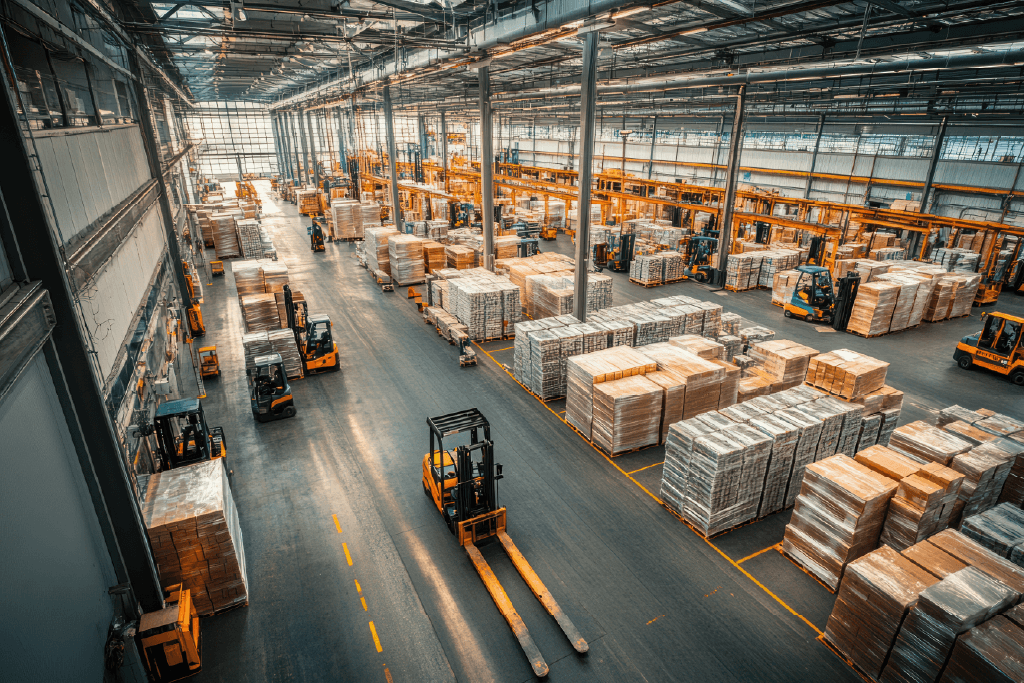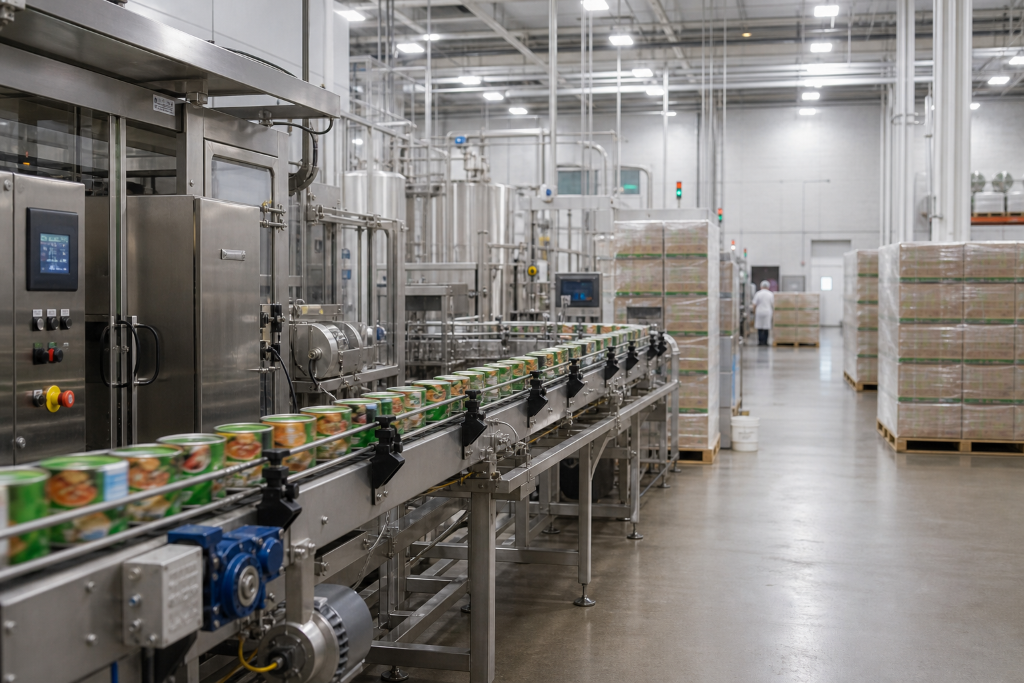
Large enterprises have long used ERP to manage procurement, planning, and inventory control, but for smaller businesses it often feels like an unnecessary or extravagant investment. In reality, there is a strong case for small manufacturers and distributors to implement ERP because digitizing, streamlining, and automating processes frees up time and reduces operating costs.
Providing better visibility of business operations
Small businesses typically run lean teams where one person manages multiple responsibilities. They often rely on a mix of manual processes, spreadsheets, and basic accounting software, which fragments information and makes it hard to get a clear, company‑wide view of operations.
Although ERP may seem costly at first, reducing IT complexity by moving to a single system can deliver significant ROI. It enhances operational efficiency and provides much better visibility of the entire business, making it easier to spot issues and opportunities.
Enhancing productivity and efficiency
Routine tasks such as payroll, inventory management, and basic reporting can be handled more efficiently by an ERP system. This frees owners and managers to focus on innovation, customer relationships, and business development.
By centralizing data, ERP ensures teams always have accurate information in one place. Critical data such as inventory levels, sales, and financials is accessible across the business in a standardized format, improving decision‑making and helping small businesses meet compliance and financial reporting requirements.
Supporting growth and scalability
Many small businesses are built to survive the start‑up phase but not always to scale. As they grow, manual processes and disconnected systems become bottlenecks.
An ERP system streamlines operations and increases efficiency so a business can handle more orders and customers without adding equivalent headcount or overhead. Real‑time access to data makes it easier to connect with customers and suppliers, respond quickly to their needs, and support ongoing growth.
Choosing a cloud‑based ERP reduces the need for in‑house IT support and server hardware. Cloud ERP also makes it easier to scale users and functionality up or down and to share information across regions or locations as the business expands.
Data-driven insights and analytics
Real‑time data is essential for manufacturing and distribution businesses that want to stay competitive. The right information allows leaders to assess current operations and make better tactical, operational, and strategic decisions.
Data volumes and sources have grown exponentially across manufacturing and the supply chain, making it vital to invest in technology that can quickly analyze data and surface actionable insights. ERP‑driven analytics help manufacturers make data‑led decisions about sourcing, production, fulfilment, and cost reduction.
Integration with technologies such as IoT devices on the factory floor or in the warehouse is increasingly important. New AI capabilities make data more usable, allowing manufacturers to interrogate information in ways that provide a comprehensive view of the business.
Small businesses must choose with care
The right ERP system will help small manufacturers and distributors improve demand forecasting, supply chain management, and inventory decisions, leading to more efficient overall management.
However, there is no one‑size‑fits‑all solution. Smaller businesses have different needs from large enterprises, and compliance and regulatory requirements vary by industry. It is critical to be clear about business objectives and what you expect ERP to deliver.
When evaluating vendors, small businesses should ask about ease of use, total cost of ownership, vendor stability, technology flexibility, and ease of implementation. If objectives are defined up front and execution is measured against them, the return on an ERP investment can be substantial.