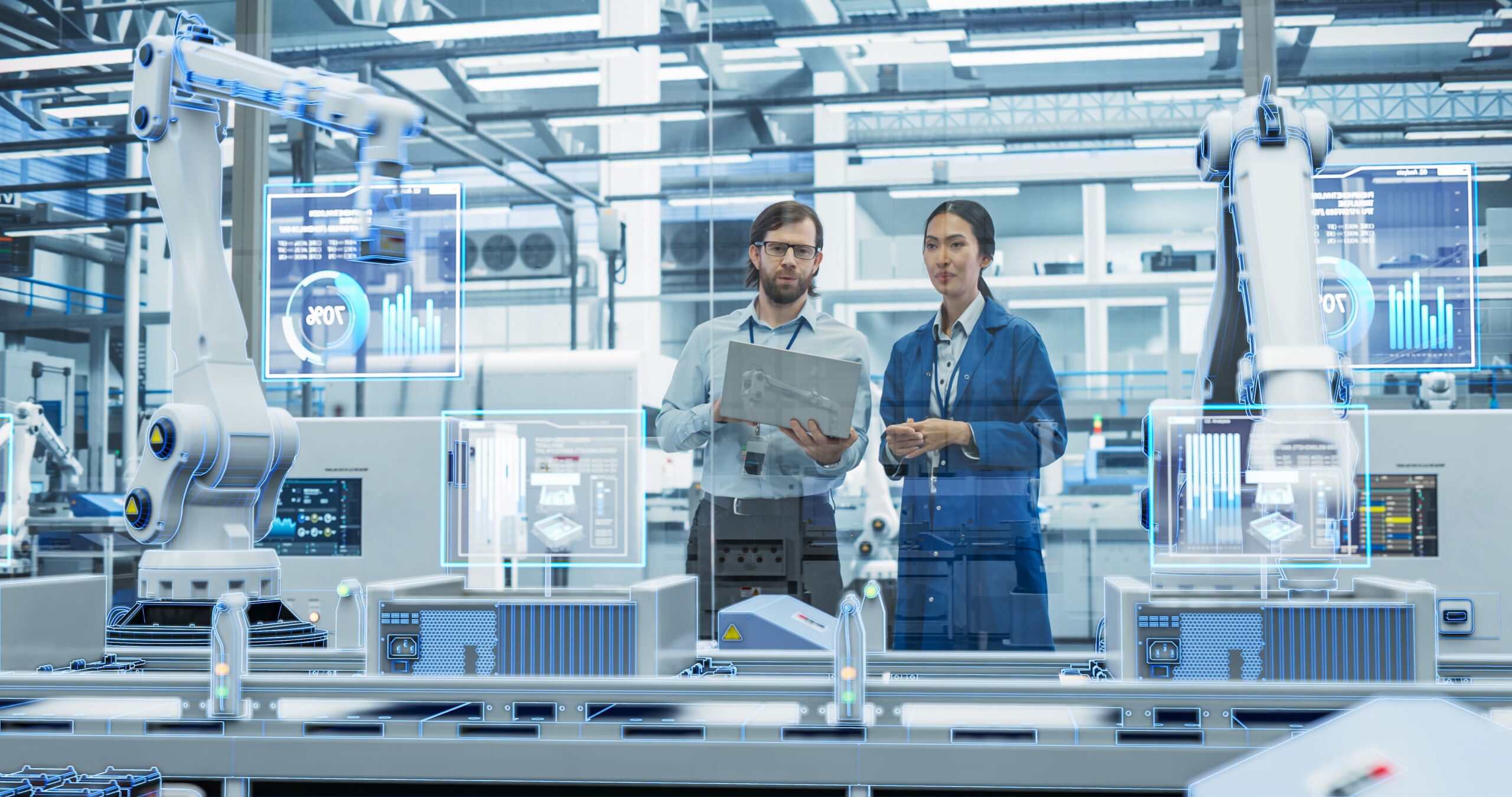
In the fast-paced world of smart manufacturing, making quick, accurate and informed decisions is essential. Real-time decision-making, powered by artificial intelligence (AI), is revolutionizing smart manufacturing processes. It enables manufacturers to make decisions about production schedules, inventory management, quality control and more, all based on live data.
AI facilitates real-time decision making by processing and analyzing data at a speed that far surpasses human capability. AI algorithms can review data from various sources such as IoT devices, production lines, and supply chain management systems, and provide valuable insights instantly. For instance, AI can predict machinery failures, allowing for timely maintenance and preventing costly downtime.
Optimizing the impact of AI on smart manufacturing
AI has impacted several smart manufacturing technologies and processes, and this transformation is reshaping industries and driving them toward efficiency and innovation. That said, manufacturers need to take several steps to successfully enable these technologies.
The best approach to smart manufacturing is to … well, be smart. Figure out exactly what you want to achieve – what is the specific business objective? Define that clearly and get business buy-in. That’s the most effective way to reap the rewards of your investment in AI, real-time decision-making and, ultimately, smart manufacturing.
You will also need to address any challenges that exist in the traditional decision-making processes to avoid replicating these as you transition towards smarter decision-making. Next, you will need to evaluate the plethora of reporting, Business Intelligence and AI tools that will create more value than their out-of-the box counterparts.
Once you’ve evaluated the tools available, make sure to engage the services of an experienced consultant to assist in implementing the appropriate solutions for smarter manufacturing. Without this expertise, achieving a satisfactory AI implementation is extremely challenging.
Combining AI with digital manufacturing solutions for maximum benefit
When integrated with a digital manufacturing solution, AI further streamlines processes, enhances data accuracy and strengthens decision-making. Together, these technologies can identify inefficient processes and propose solutions to cut costs and enhance efficiency. AI also enables predictive diagnostics, thereby minimizing resource waste. It can empower digital manufacturing solutions to think, learn and make decisions, a role that was once exclusive to humans.
In conjunction with predictive AI, Generative AI-powered digital manufacturing solutions can analyze vast data sets to offer actionable insights. They reveal patterns and trends, allowing informed decisions on production schedules and resource allocation. They can also identify market opportunities by analyzing market data, customer feedback, and competitor products and accelerating research and development.
To summarize the benefits of a combined AI-digital manufacturing solution:
- Empower leaders with quick access to actionable insights, enabling smarter, faster decision-making.
- Real-time insights: Data on production, inventory, and other critical metrics, allowing for informed decisions.
- Predictive analytics: Forecast potential issues, such as equipment failures or supply chain disruptions, enabling proactive measures.
- Helping to build smarter, more agile businesses.
- Fueling the shift to smart manufacturing and more connected operations.
- Powering growth through smart, data-driven manufacturing.
Practical examples of AI-driven decision-making in smart manufacturing
AI’s impact on real-time decision making is visible across various aspects of manufacturing. Here are a few examples:
- Quality control: AI can analyze product images in real time to identify defects, enabling quick corrective actions and reducing waste.
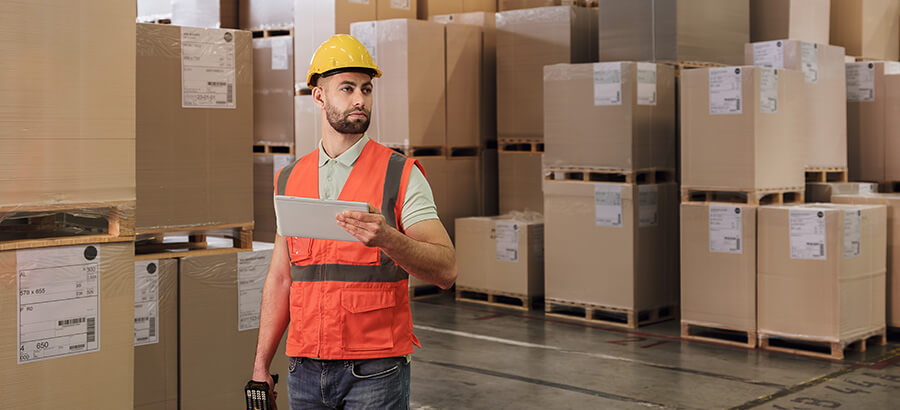
- Inventory management: AI can predict demand patterns, allowing manufacturers to optimize inventory levels and avoid overstocking or stockouts.
- Energy efficiency: AI can monitor energy usage in real time and suggest ways to optimize energy consumption, leading to cost savings and sustainable practices.
- Process optimization: AI can analyze production data to identify inefficiencies and offer recommendations for process improvements.
Driving smart manufacturing into the future
Ultimately, the power of real-time decision-making lies in its ability to provide manufacturers with the insights they need, exactly when they need them. By integrating AI into their processes, manufacturers can make more informed, data-driven decisions, leading to improved efficiency, reduced costs, and enhanced competitiveness.
It’s clear that AI plays a pivotal role in enabling real-time decision-making in smart manufacturing. By integrating AI into their operations, manufacturers can gain a competitive edge and drive their industry into the future.