
In manufacturing and distribution, balancing customer expectations against the capital tied up in stock is a high-wire act. Because of Syspro, you can replace guesswork with a purpose-built digital solution that empowers you to determine the optimal inventory level for every item. Our platform integrates smarter forecasting, strategic product groupings, and powerful optimization modeling so you can reduce carrying costs, improve service levels, and increase profitability. Plans start from an accurate picture of supply: available-to-promise across multiple warehouses, sub-job output held in stock for the jobs that need it, and actual receipt weights for catch weight items. So every plan starts from an accurate picture of supply. Build a more resilient supply chain and deliver greater value to your customers.
Minimize capital tied up in stock by using data-driven models to define optimal inventory levels. Reduce carrying costs, shrink obsolete stock, and increase inventory turnover for a healthier bottom line.
Aggregate thousands of SKUs into logical Families and Groups to simplify planning. Manage forecasts at a brand or category level, apply policies in bulk, and analyze performance across related items efficiently.
Move beyond guesswork with a range of smarter statistical forecasting algorithms that automatically find the best fit for each item. Accurately predict demand, account for seasonality, and reduce stockouts and overstock situations.
Model the impact of different inventory policies before you commit. Balance service level targets against inventory investment to find the most profitable strategy for your business, accounting for both supply and demand volatility.
Meet customer delivery expectations by ensuring the right stock is in the right place at the right time. Available-to-promise now spans multiple warehouses, so your team can commit to ship dates with confidence without manually cross-referencing open jobs.
Gain real-time KPIs for lost sales, stock cover, and forecast accuracy, plus a more realistic view of available inventory from actual receipt weights for catch-weight items and sub-job output held in stock. Use tracking signals and automated alerts to pinpoint and address inventory issues before they impact your operations.

Utilize a variety of forecasting algorithms, from moving averages to Holt-Winters, or let the system’s competition mode automatically select the best-fit algorithm for each item. Analyze performance at any level, from individual SKU to product class or supplier.

Create hierarchical ‘Families’ for a sales-oriented view of your products (e.g., by brand) and single-level ‘Groups’ for logistical purposes (e.g., by warehouse region). Aggregate forecasts for high-level planning and disaggregate them back to the SKU level for execution.

Define inventory policies per SKU or warehouse, using either fixed rules or risk-based service level targets. Calculate and model time-phased minimum and maximum stock levels to visualize the impact on investment and service before activating them in your planning.
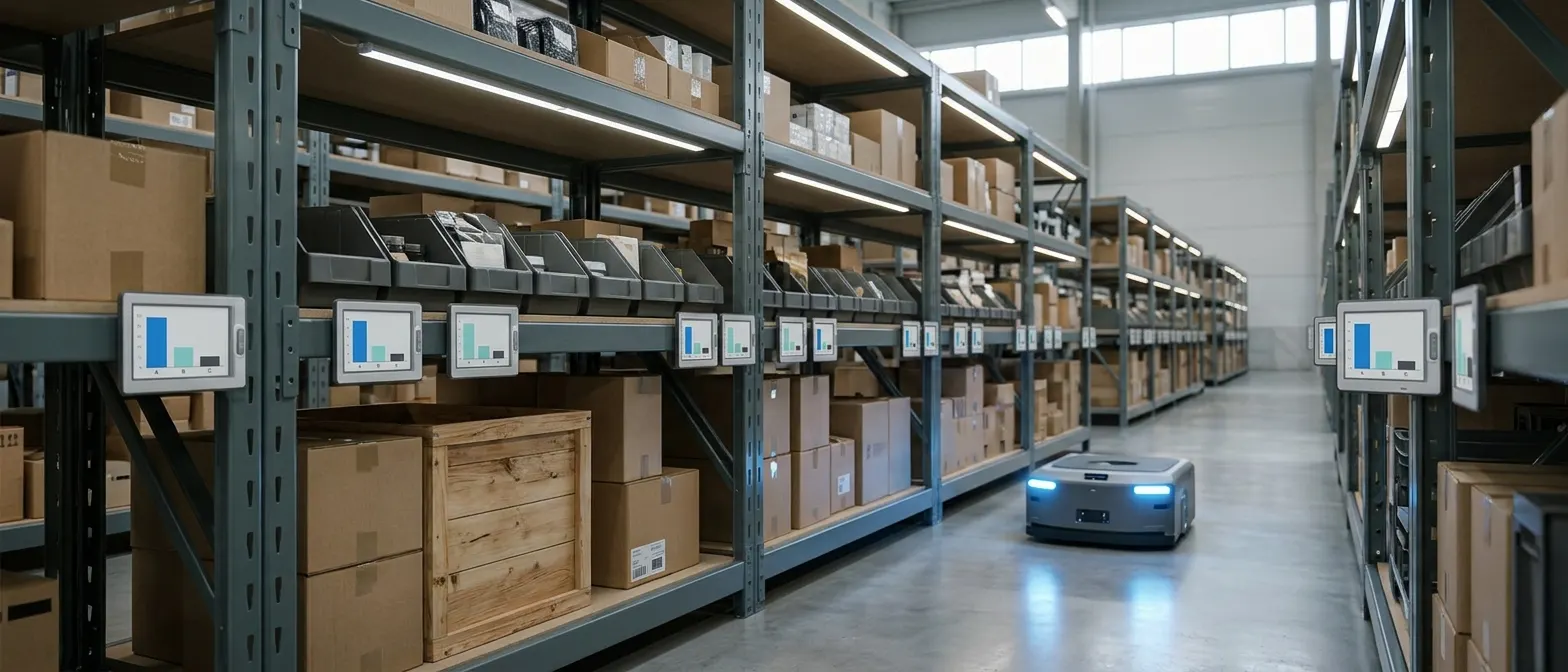
Automatically classify and rank stock items based on criteria like sales value, gross profit, or movement frequency. This allows you to apply differentiated inventory strategies, focusing your resources on the items that contribute most to your bottom line.

Stay ahead of supply chain disruptions with configurable alerts for critical events. Receive notifications for forecast deviations using tracking signals, potential stockouts, or slow-moving stock, enabling proactive intervention.
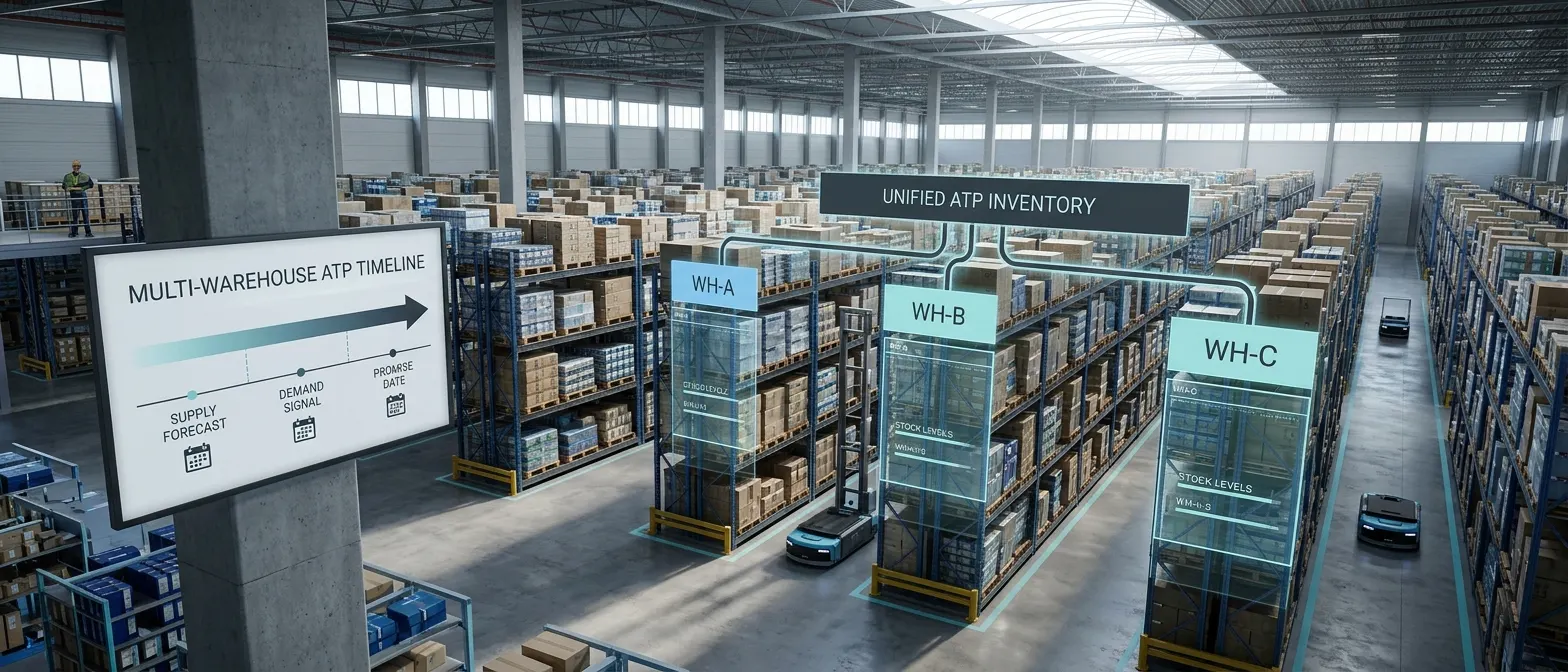
Fold one or more source warehouses into a single ATP calculation, ideal where several virtual warehouses share one physical site. Time fences and planning horizons from the main stock code and warehouse apply across every selected source, so promise dates reflect real supply and demand.
Inventory Planning is the engine for MRP. It provides the optimized min/max levels and demand forecasts that MRP uses to calculate and recommend purchase orders and production jobs, ensuring supply is perfectly aligned with demand.
Provides the rich sales history that serves as the foundation for accurate forecasting. In return, Inventory Planning provides reliable Available-to-Promise (ATP) information that now spans multiple selected warehouses, so your sales team can commit to ship dates they can keep.
Serves as the single source of truth for on-hand stock levels, which are critical inputs for optimization calculations. Receipts, adjustments, and issues are reflected in real time, and catch-weight receipts now record actual received weight so on-hand and valuation reflect what was actually delivered.
The output of the planning cycle: MRP generates purchase requisitions based on optimization rules, which become Purchase Orders to replenish stock from your suppliers. Ship-from addresses at header and line level, defaulted from supplier-warehouse mappings, give planners accurate inbound origins for supplier and freight coordination.
Enables location-specific planning and optimization, feeding inventory levels from individual warehouses or zones into the planning engine and recommending transfers to redistribute excess stock. Multi-warehouse ATP lets planners view availability across virtual warehouses in the same location.
Completed sub-job output can now be received into inventory and automatically allocated to the master job, giving planners realistic stock visibility of intermediate goods while protecting materials for the intended job, with full master/sub-job traceability.
Simplify your workflows, gain clearer insight into performance, and build stronger relationships with your customers.