The importance of supply chains
The supply chain is the journey raw materials, components, and finished goods take from origin to production or assembly and finally to the customer. Many supply chains now span continents and have become increasingly complex, making resilience and visibility critical.
Events like the Ever Given blocking the Suez Canal showed how vulnerable global supply chains can be, but manufacturers should still plan for more common disruptions such as congestion and bottlenecks, material shortages, and supplier delays.
Supply chains and ERP
To mitigate the impact of supply chain disruptions, manufacturers need proactive strategies and the right tools. Legacy systems and manual processes make it almost impossible to coordinate complex, fast-moving supply chains effectively.
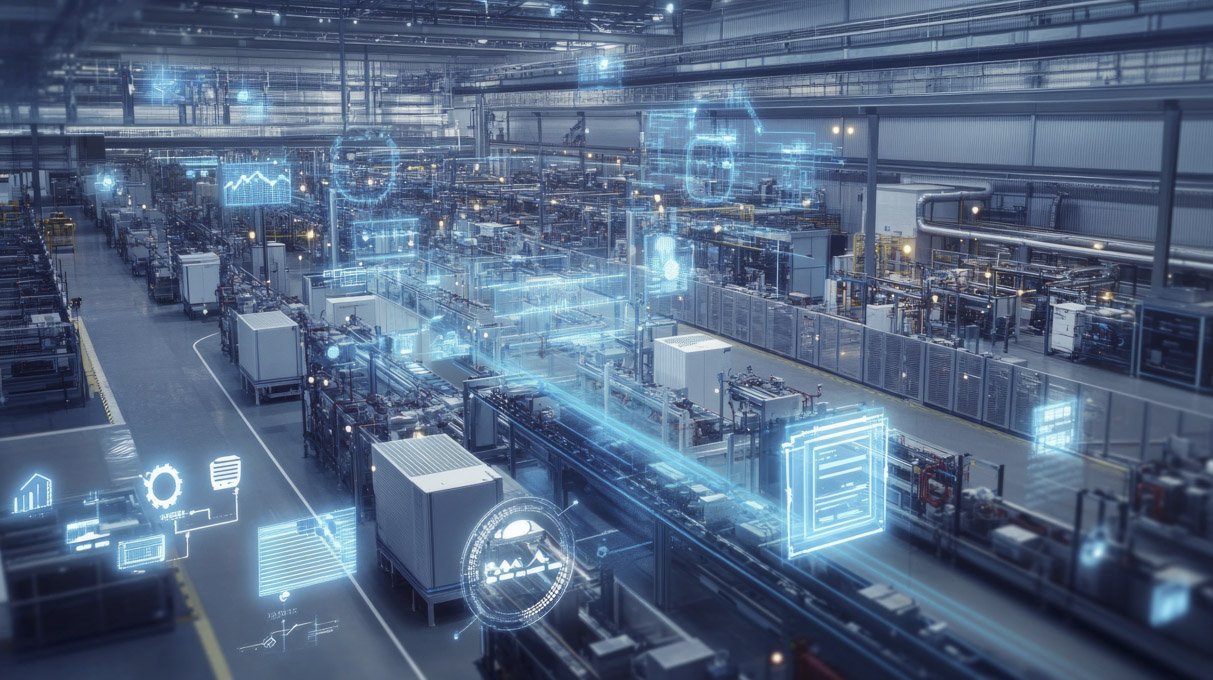
A modern ERP system consolidates and integrates processes across the business and provides the tools needed for an optimized, resilient supply chain. It helps cut costs, improve operational efficiency, and enable real-time visibility so decision-makers can act quickly and with confidence.
Real-time visibility and data-driven decision-making
Supply chain management depends on continuous planning and orchestration of goods to meet customer demand. ERP is a powerful platform for consolidating and analyzing data on the movement of goods from source to point of demand.
Real-time visibility is one of the key benefits of ERP in countering disruptions. It allows manufacturers to see how goods are flowing, identify bottlenecks, and plan arrivals so production can be scheduled accurately and customers receive realistic delivery timelines. With embedded business intelligence, teams can track and improve supply chain performance using live data and reporting.
Greater supply chain visibility
An ERP system lets manufacturers see inventory across the entire supply chain so they can respond quickly when issues arise. It supports better decisions by providing insight into every stage, making it easier to identify and resolve problems before they escalate.
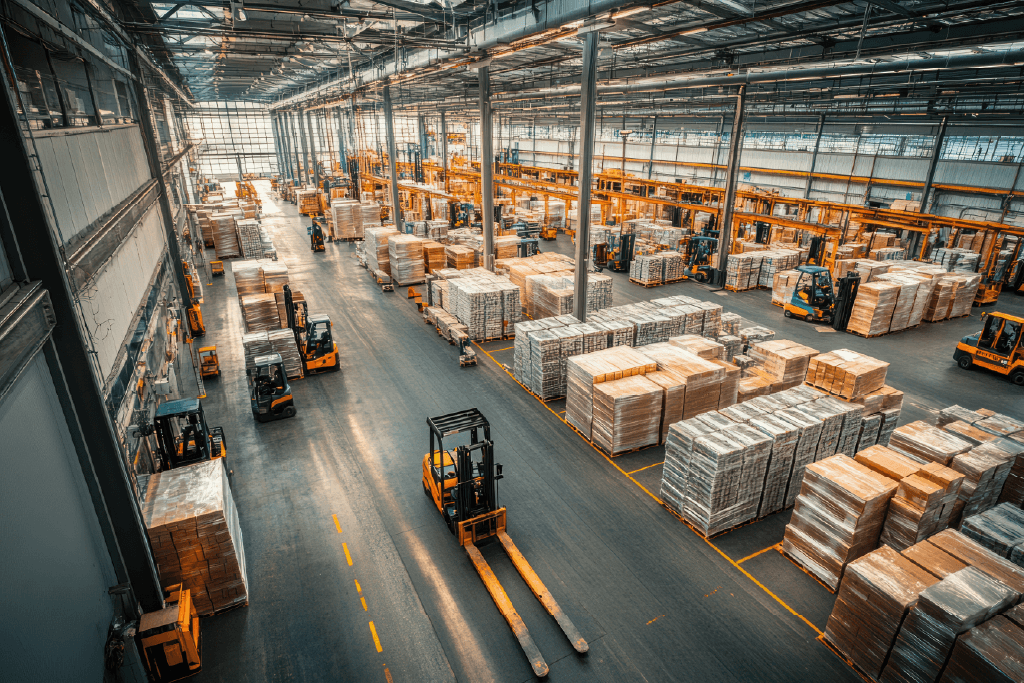
ERP can help to: manage complex supply chain operations, notify manufacturers when problems occur, and streamline processes to remove inefficiencies. It is especially valuable for managing dispersed warehouses across multiple locations, where visibility is often limited. With ERP-based warehouse management, organizations gain clear visibility of stock in every location, reducing the risk of both stock-outs and overstocking.
Using inventory management to minimize disruptions
When ERP is part of the supply chain management strategy, it enhances inventory data so manufacturers can improve stock levels and turnover. They can accurately track shipments, inventory levels, and demand to make better decisions about what to hold, where, and when.
This is particularly important where excess inventory is costly or stock-outs must be avoided. ERP integration gives real-time updates on logistics and inventory, connects local and external activities, and delivers cross-channel inventory visibility to support faster, more informed decisions.
How collaboration can mitigate supply chain disruptions
A resilient supply chain depends on collaboration between internal departments and external partners. Managing information through emails and spreadsheets is error-prone and does not scale as supply chains grow and become more complex.
ERP helps by unifying information in a shared data model so everyone works from the same real-time data, eliminating information silos. It supports better communication with suppliers, improves coordination, and ensures disruptions are identified and addressed quickly. Faster access to reliable information speeds up decision-making, and with effective communication, manufacturers can also identify alternative sourcing options when problems arise.
Better forecasting of supply needs
Effective demand forecasting is essential for supply chain planning but is difficult when so many variables are in constant flux. Manual processes are not suited to accurate forecasting.
A manufacturing ERP can use advanced algorithms to analyze sales data, customer behaviour, and market trends to predict demand. This helps manufacturers anticipate changes, ensure they have the right resources at the right time, and improve inventory planning and stock levels to better handle disruptions.
An ERP can improve supply chain management
Using ERP to support the supply chain streamlines and automates business processes, reducing manual errors and associated costs. It increases transparency and helps manufacturers tackle delivery challenges more effectively.
With a unified data model, both internal staff and external partners stay up to date on activities across the supply chain. Real-time data provides better visibility and faster decision-making when disruptions occur, enabling manufacturers to act before issues become critical.